
Soteriological Aspects from a Pentecostal Perspective
How the doctrine of salvation shifts when it is thought from within Pentecostal experience, rather than merely against Calvinism, Arminianism or Lutheranism.
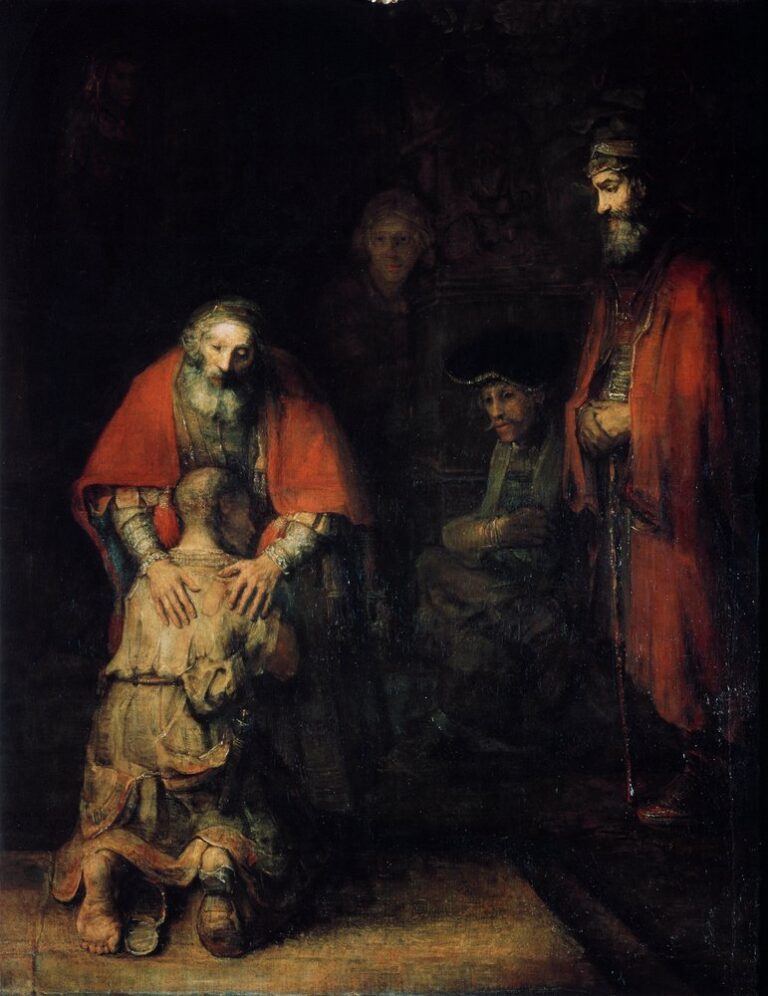
How the doctrine of salvation shifts when it is thought from within Pentecostal experience, rather than merely against Calvinism, Arminianism or Lutheranism.
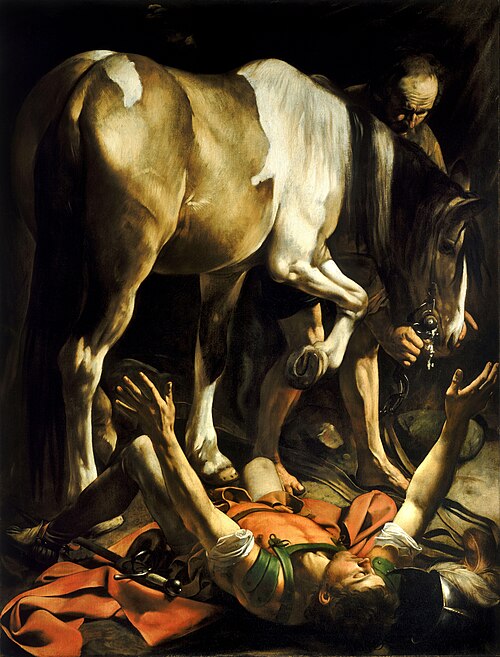
Testimony is the doorway into Pentecostal ministry. Here is mine, told without retouching: what came before, what changed, and what grace asked in return.

Pentecostals were called the “People of the Book” for a reason. This piece examines what sustains that name, and where it starts to outgrow the practice.

Before Azusa there was Wesley. The Holiness Movement reordered the doctrine of sanctification and, in doing so, prepared the ground where Pentecostalism would be born.
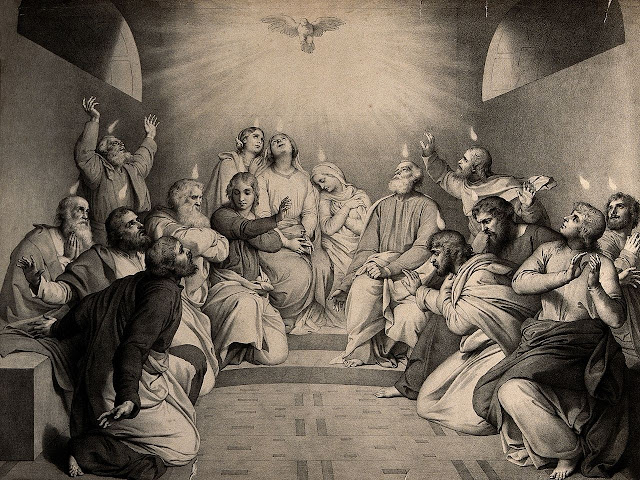
Pentecostal pneumatology does not end in experience: it exists to empower service. This article follows the doctrine of the Spirit through to that practical consequence.
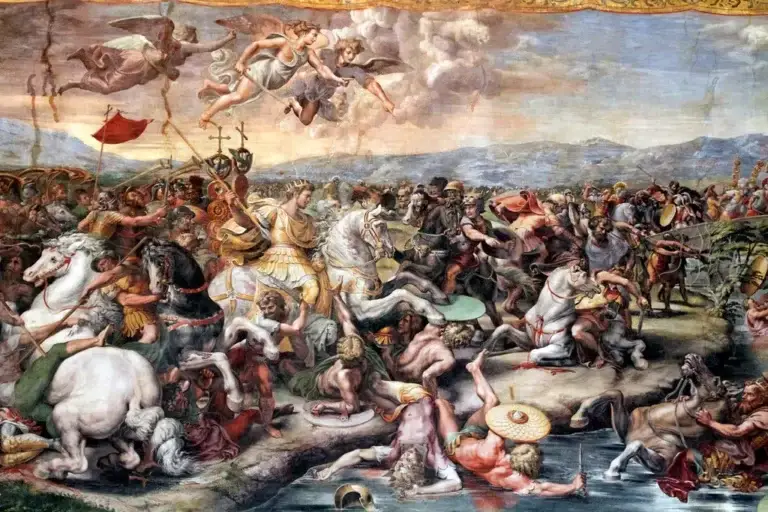
Constantine’s conversion changed the machinery of the Church more than its faith. A historical analysis of what the emperor actually altered, and at what cost.

Luke writes with the Spirit at the centre of the plot. The salvific-historical method shows why this is narrative structure, not devotional emphasis.

Churches receive more neurodivergent and unwell people every year, and teach as if they did not. What educational psychology has to say to teaching in the church.
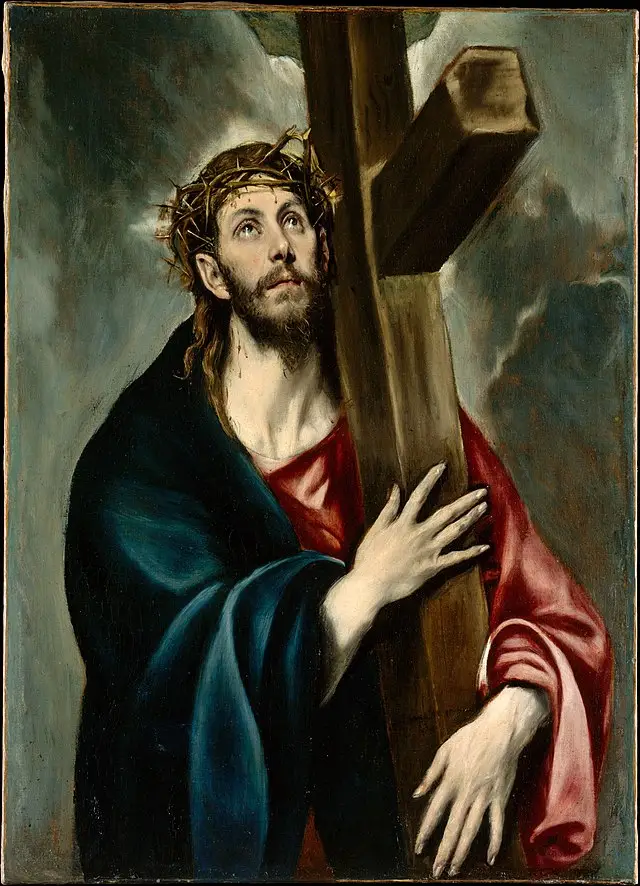
I was a leper once, and today I am restored. I did not spread rumour: I spoke of grace. A short piece on the way of the cross lived, not described.
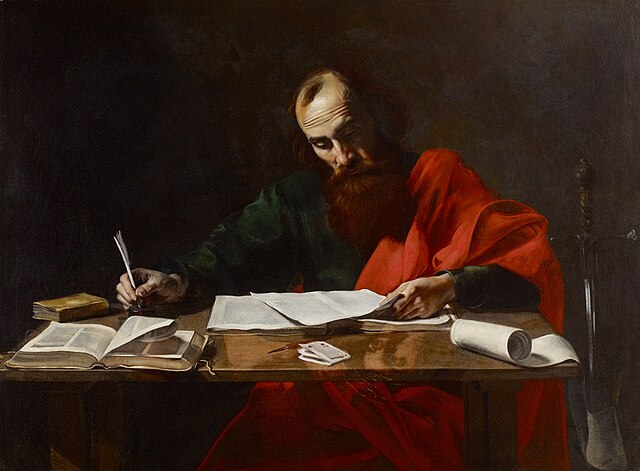
Ephesians stands among the densest treatises in Christian literature. What the letter settles about salvation also defines, and limits, the purpose of the Church.
Buscar no blog

