Constantine’s Conversion to Christianity: A Brief Historical Analysis
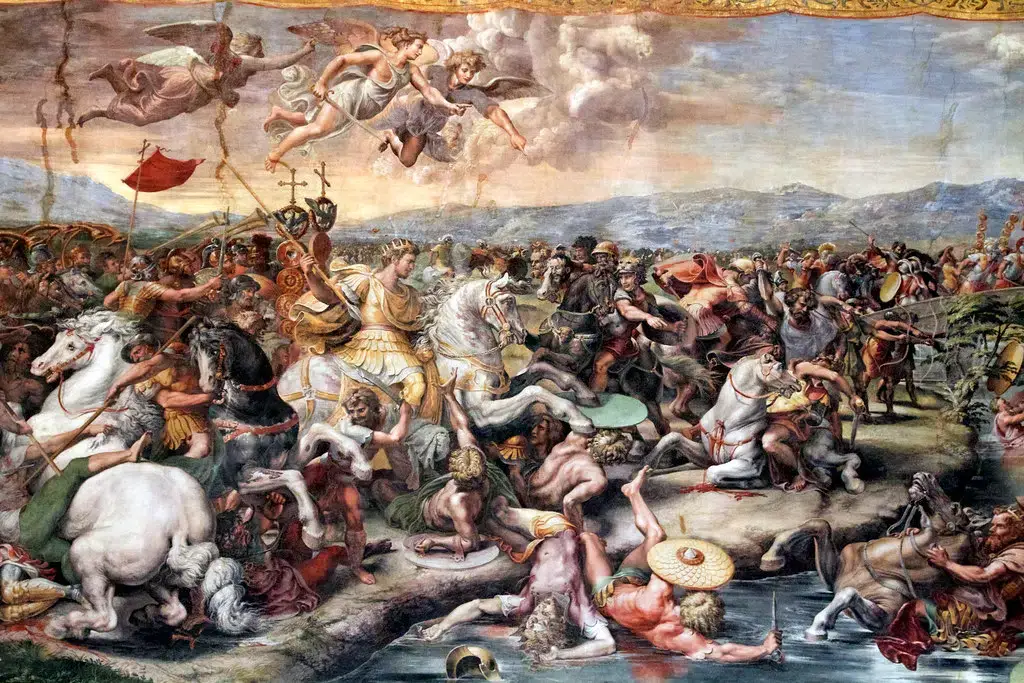
Constantine’s arrival in the church profoundly altered its history. Armed with imperial authority, he reshaped the whole of the ecclesiastical structure — and among those changes the alliance between State and Church stands out above the rest.
One consequence of that alliance was the end of the persecution that had long troubled the bride of Christ. Another was the emperor’s program of building temples, within which the form of worship itself underwent significant change.
The liturgy was modified accordingly, with a new emphasis on sacramentalism at the expense of the spiritual gifts. So considerable was the impact of these changes that a movement of resistance arose: monasticism, which laid heavy stress on ascetic spirituality and the direct experience of God.
Constantine converted to the Christian faith in 312 AD, and the episode has raised questions ever since. Was his conversion a genuine experience of faith, or an act driven by political and strategic interest? Either way, it exerted a powerful influence on ecclesiological questions and on the institutional development of the Christian movement.
The end of the persecution of Christians was, beyond doubt, a decisive outcome of the emperor’s influence, and it was he who united State and Church. Nowhere is this clearer than at the Council of Nicaea, where the emperor presided over theological deliberations such as those concerning the Trinity — an unprecedented development at the time.
Constantine also undertook extensive building works for the church. Worship, which had previously been held in homes, was henceforth celebrated in temples, and the internal regulations of the church had to be revised to match. From that point onward, baptism and the Lord’s Supper were interpreted as means of obtaining salvation, and they could be administered only by the bishop or by those he appointed — concentrating authority in the hands of the clergy (REFIDIM, 2019).
Not everyone welcomed this revolution. Since only the elite of the Church was now regarded as the bearer of grace and of the spiritual gifts, a reaction set in. Where the action of the Spirit of God had once moved freely within the community of faith, it was now constrained. A group therefore emerged that held to a spirituality set apart from all this innovation: the monks, who embraced an ascetic manner of life and a deep experience of God.
In general terms, it is clear that Emperor Constantine’s conversion to Christianity was not viewed favorably by all. The rise of monasticism is evidence of that, and it marks a great turning point in the history of the Church and of the world. Although the emperor’s influence secured privileges for the Church before the State, that same factor contributed to a cooling of faith in many, and even to a considerable number of apostasies.
REFIDIM Faculdade. Pentecostalismos e Assembleianismos: História e Teologia. 2. ed. Joinville: Faculdade Refidim, 2019.