
The Salvific-Historical Method of the Gospel of Luke
Luke writes with the Spirit at the centre of the plot. The salvific-historical method shows why this is narrative structure, not devotional emphasis.
Studying and interpreting the Bible: hermeneutical methods, historical-cultural context and theological readings of Luke, Mark, Judges, Ezra and Psalms.

Luke writes with the Spirit at the centre of the plot. The salvific-historical method shows why this is narrative structure, not devotional emphasis.
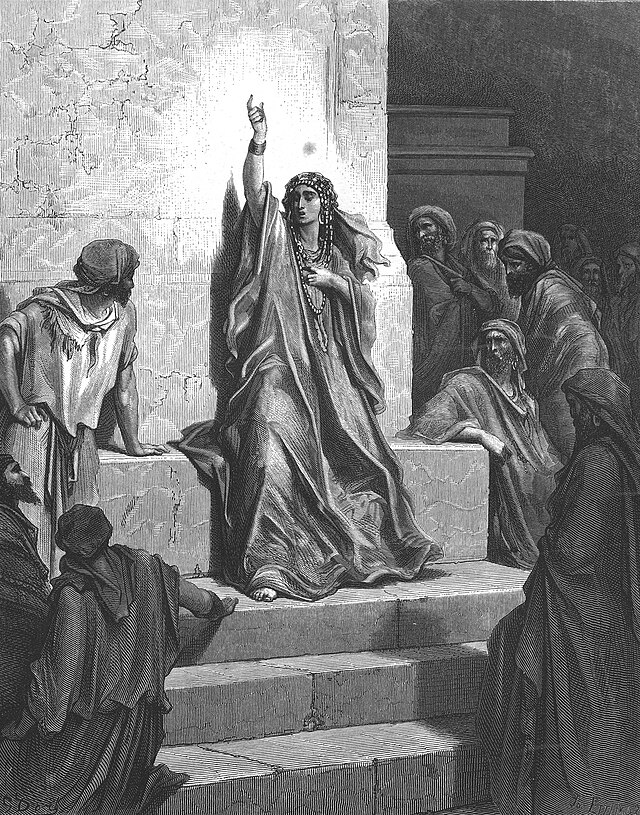
Judges shows Israel just after the conquest, and the portrait is embarrassing. That is precisely why the book speaks so accurately to the Church today.
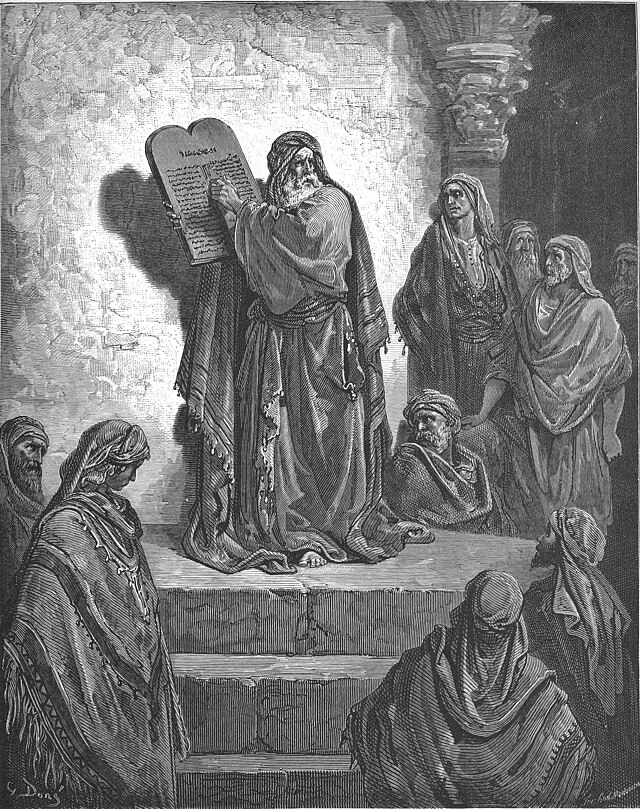
Ezra leads the return from exile and the rebuilding of the temple as both priest and scribe. Two roles that contemporary Christian leadership insists on separating.
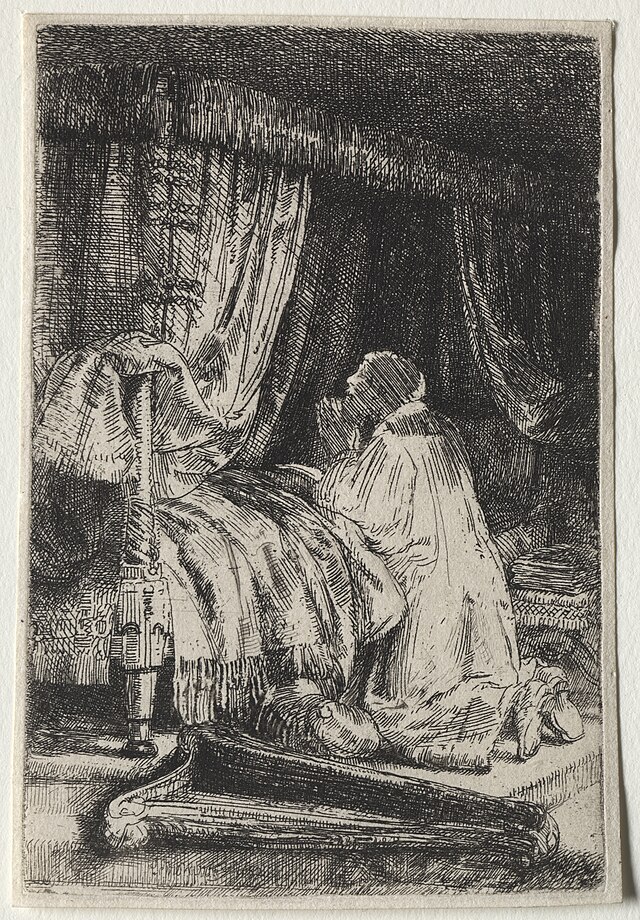
The Psalms say what dogmatics later organises: who God is, who the human being is, and where both dwell. A reading in three dimensions.

Mark is the leanest of the Gospels and the most direct about the mission of Jesus: to announce the Kingdom. A theological synthesis of the first account.
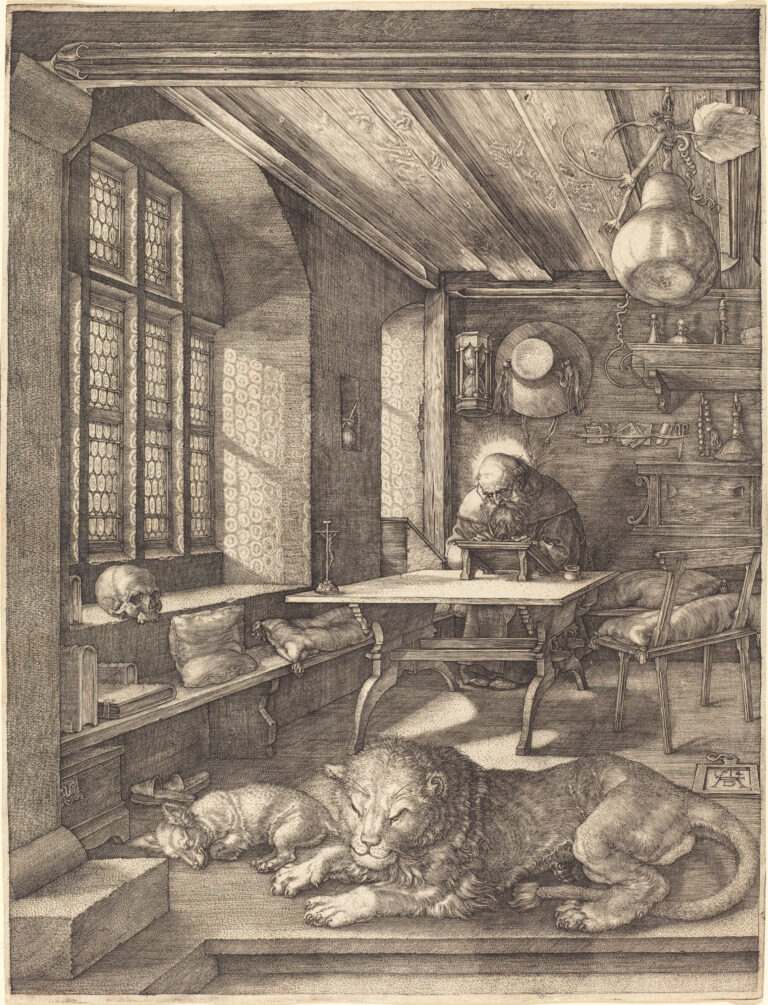
Historical-critical, grammatical, narrative: each method makes the Bible answer a different question. A map of which to use, and when.
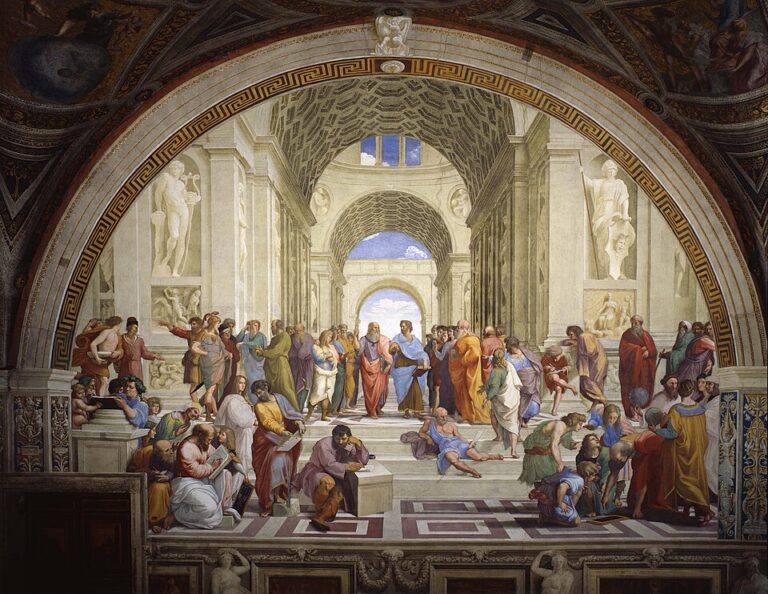
No message can be interpreted outside the time in which it was spoken. The elements that build historical-cultural context, and how to assemble them without inventing.
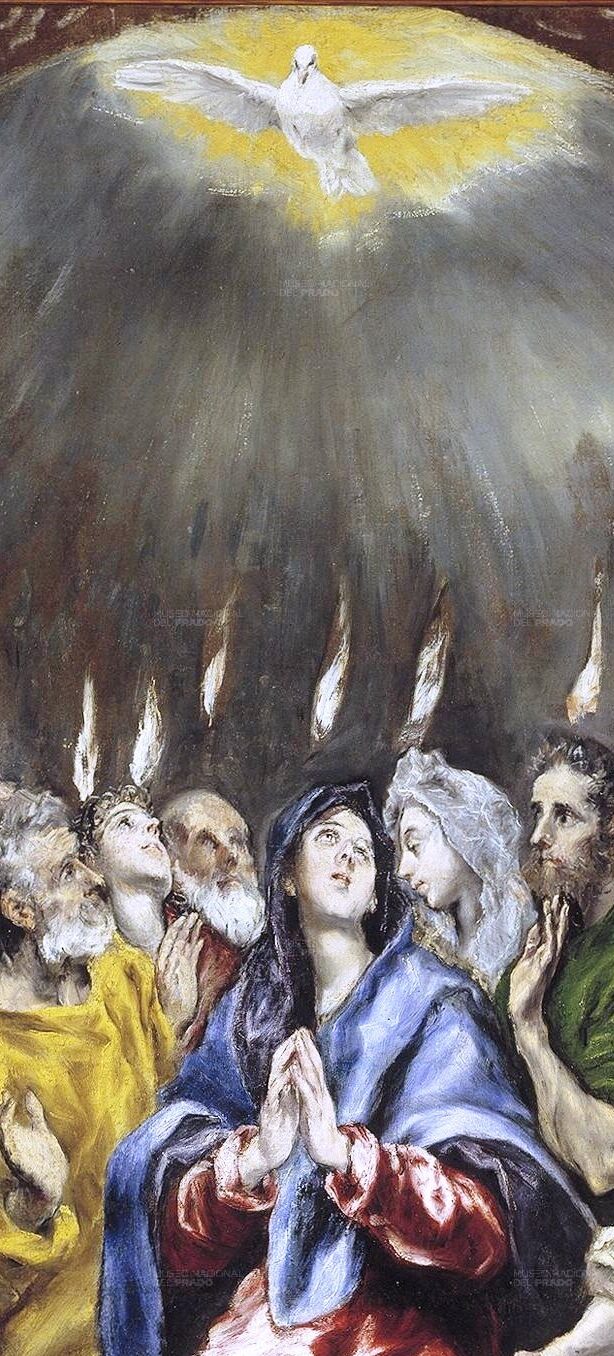
Pentecostal hermeneutics is not devotional reading under another name. What it adds in method to biblical interpretation, and what it still lacks.
Buscar no blog

