
Hermeneutical Methods: The Bible and Its Multiple Interpretive Perspectives
Historical-critical, grammatical, narrative: each method makes the Bible answer a different question. A map of which to use, and when.
Historical-critical, grammatical, narrative: each method makes the Bible answer a different question. A map of which to use, and when.

The Holy Spirit is the third person of the Trinity, not the third in importance. How Brazilian Pentecostalism understood that distinction, and where it stumbled.

Prosperity theology did not fall from the sky: it came out of retribution theology. Tracing that origin is the most effective way to disarm it.
Health is more than the absence of disease, and Christian spirituality has something to say about it without turning into therapy or a promise of healing.
The Church is a living organism and a visible institution at once. It is at that seam that contemporary church government gets stuck.
Dualism, trichotomy or unity: the answer chosen reshapes the whole of spiritual practice, including what is meant by deliverance and healing.
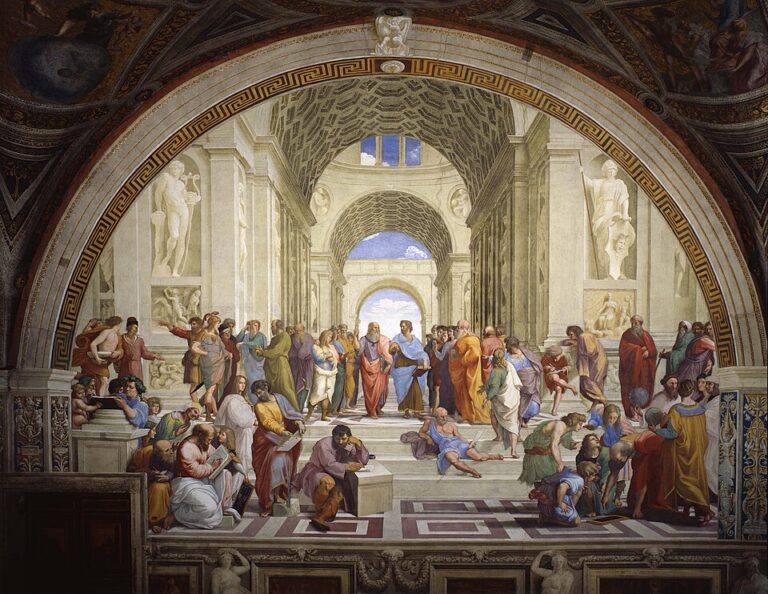
No message can be interpreted outside the time in which it was spoken. The elements that build historical-cultural context, and how to assemble them without inventing.
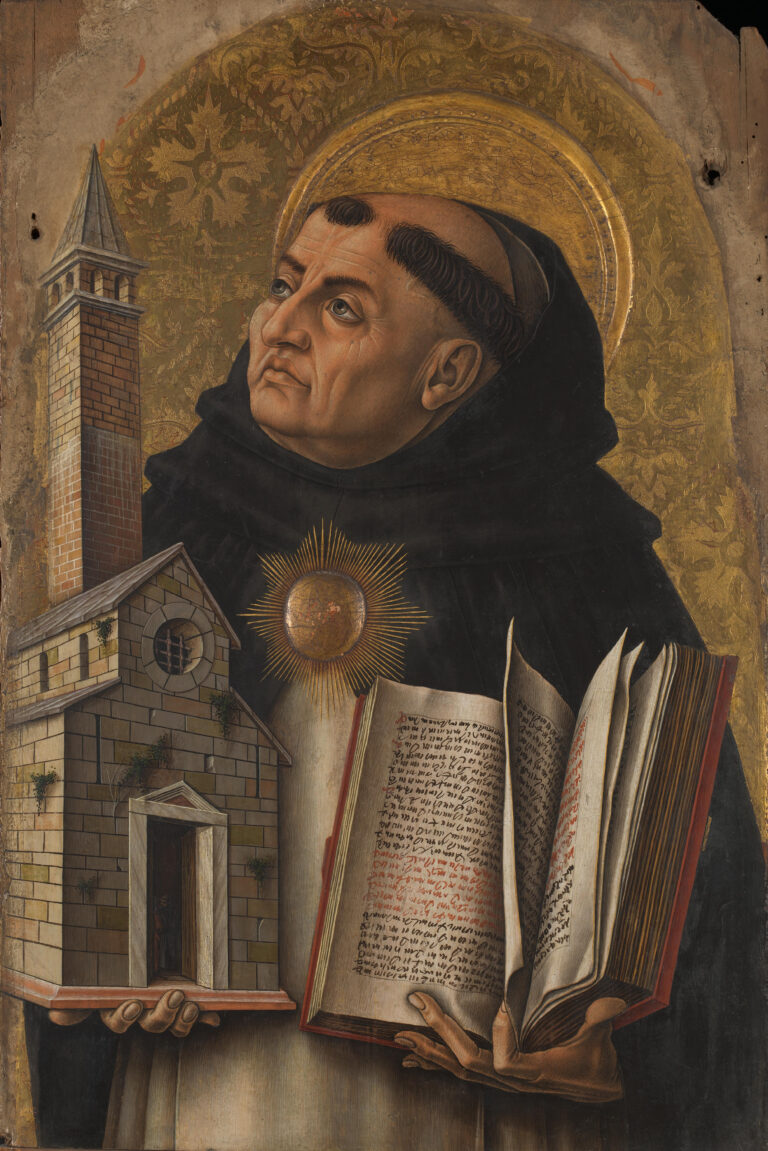
Theology converses with philosophy, history and the human sciences, or it isolates itself and grows ill. On the real price of each choice.
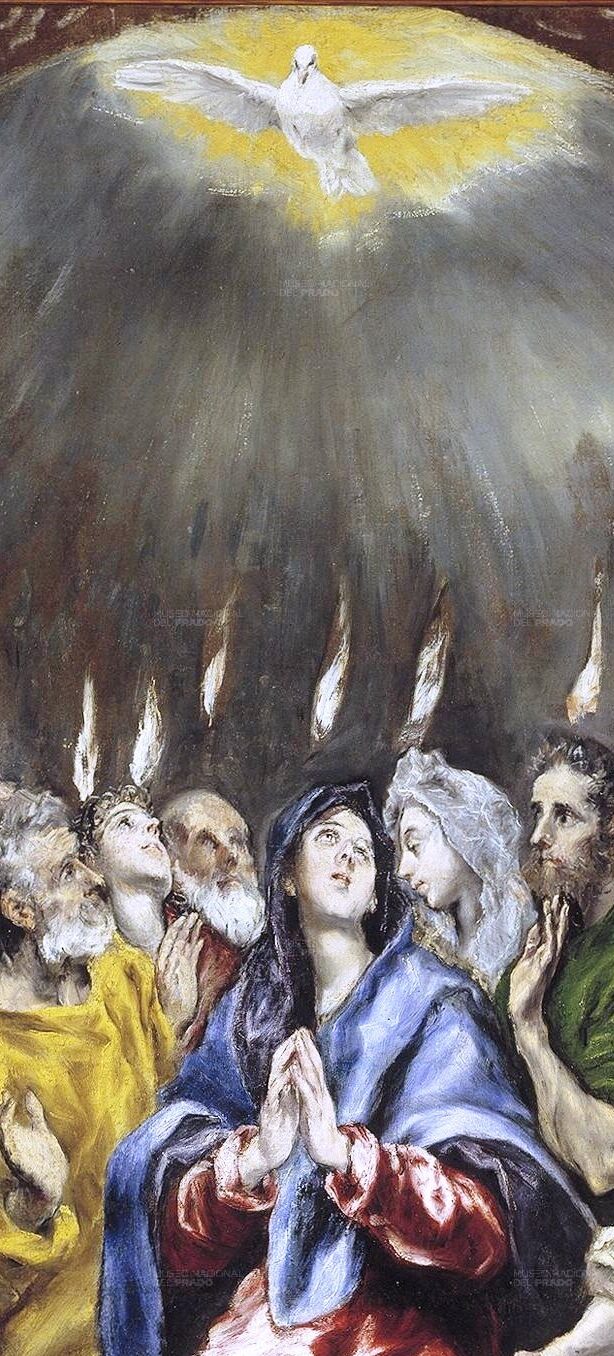
Pentecostal hermeneutics is not devotional reading under another name. What it adds in method to biblical interpretation, and what it still lacks.
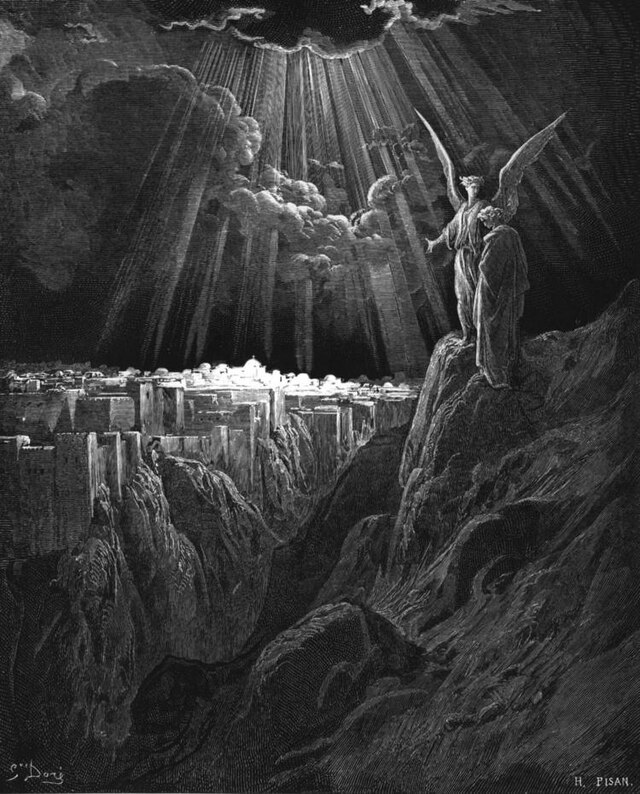
Eschatology cooled in the Middle Ages and Pentecostalism warmed it again. This piece asks what room is left for hope when the end becomes a timetable.
Buscar no blog

