The Challenges of Ecclesiastical Government Today
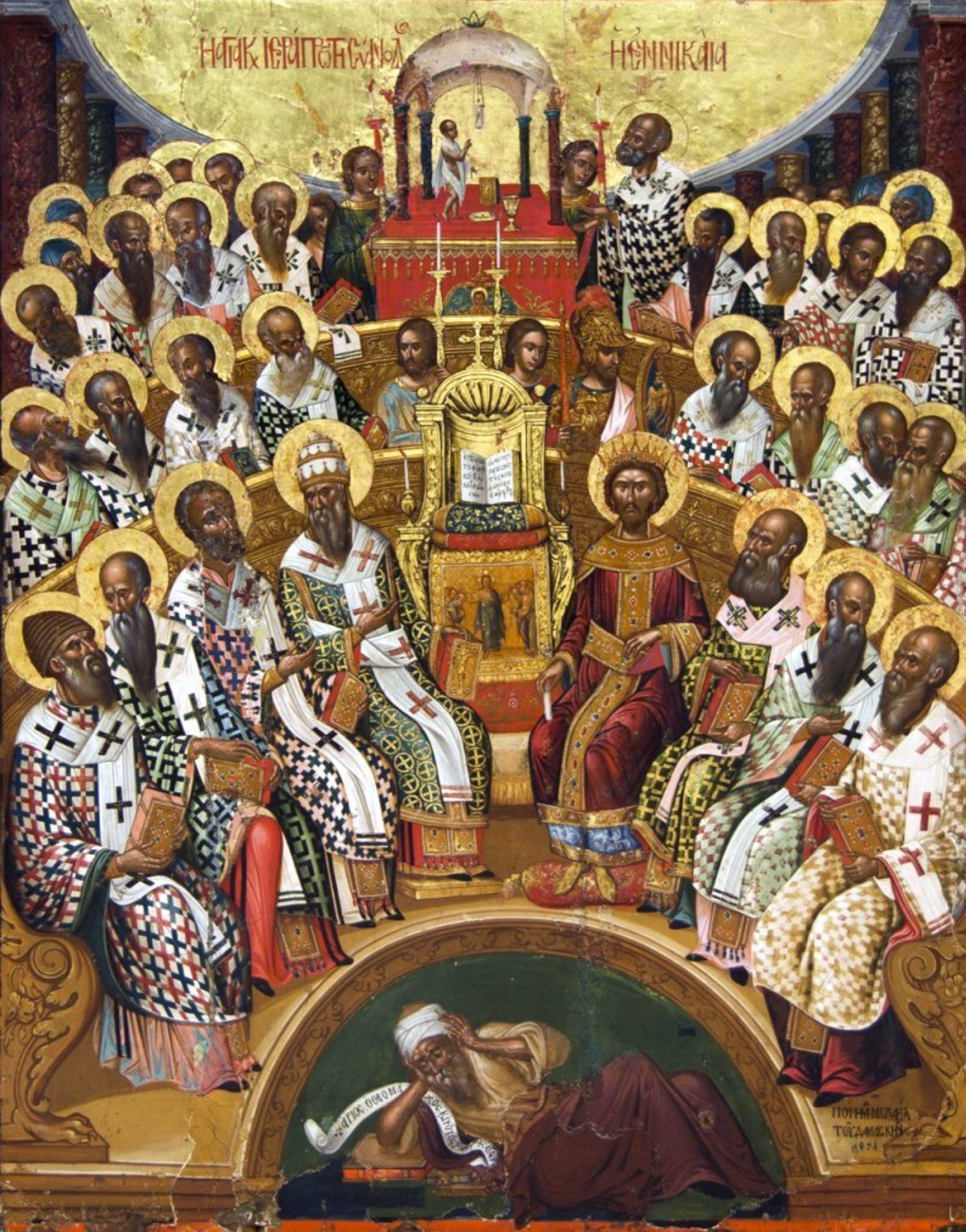
The Church is a living organism, visible in its outward expression in the world and in harmony with its invisible attribute — the spiritual fuel of that organization called the Body of Christ.
Charting a course for effective leadership in a church is always a challenge, since there are competing models of how ecclesiastical government should be exercised, and every one of them, without exception, has its strengths and its weaknesses. The most notable are the episcopal, congregational, presbyterian, and free church models.
The aim is to choose the model that comes closest to the Holy Scriptures and best serves the spiritual well-being of the members. Dealing with human beings has always been, and will always be, demanding: where there are people, there is a diversity of thought, culture, and political conviction. Such diversity gives rise to internal division, and the role of leadership is essential in bringing about reconciliation and peace.
The need for leadership to guide the flock is therefore plain. Christian leadership, however, is not a matter of despotic hierarchy — quite the reverse. The leader must possess charismatic qualities and set a good example, so as to inspire others naturally and genuinely.
Above all, the leader must maintain a deep communion with God in order to fulfill the greatest mission of his life: to care for the Bride of Christ. For such a responsibility, the spiritual leader must display the characteristics set out in sound doctrine, and must bear witness by a good example before those outside.
According to the Apostle Paul:
“Therefore an overseer must be above reproach, the husband of one wife, sober-minded, self-controlled, respectable, hospitable, able to teach, not a drunkard, not violent but gentle, not quarrelsome, not a lover of money. He must manage his own household well, with all dignity keeping his children submissive” (1 Tim. 3:2–4).
As Christianity has expanded across the world, many moral scandals and doctrinal deviations have come to light. Heresies have always existed, but the Church has been strongly affected by postmodernity, both in its modus operandi and in the way it seeks to influence the secular world.
Some churches, for example, seek to conform to worldly standards in order to attract as many people as possible, concentrating on entertainment and so departing from their primary purpose of being the “salt and light” of the world.
“Do not be conformed to this world, but be transformed by the renewal of your mind, that by testing you may discern what is the will of God, what is good and acceptable and perfect” (Rom. 12:2).
The Church’s greatest challenge, then, is to conform itself to a healthy and biblical model of government, one that puts holiness and Truth first. In a century that prizes anthropocentrism and rationality, it must resist worldliness like a remnant swimming against the current — and, no less important, it must preach the Word in season and out of season.