TheoLogica: philosophy of religion from Louvain
European philosophy of religion has a distinct character. It carries the continental inheritance — phenomenology, hermeneutics, the critique of metaphysics — alongside the analytic tools, and the combination produces questions that neither tradition asks on its own.
TheoLogica, published by the Université catholique de Louvain, is one of the places where that combination is worked out.
What it is
An international, peer-reviewed and open-access journal for philosophy of religion and philosophical theology. Its stated scope is multidisciplinary and covers analytic theology, natural theology and philosophical theology. ISSN 2593-0265.
Louvain has been a centre of Catholic philosophy for a very long time, and the journal inherits that depth without being confined to a confessional agenda.
Why it works as a source
Because it publishes work that sits between the camps. A paper may use analytic argument on a question framed phenomenologically, or test a scholastic distinction against a contemporary objection. For a reader who finds both styles partial, this is unusually productive ground.
It is also genuinely international, which matters: the Anglophone conversation in philosophy of religion has blind spots that become visible only when read against a different tradition.
How to use it
Read it alongside the analytic journals. The contrast in how a shared problem is posed is itself instructive.
Look for the special issues. They assemble a debate rather than a single position, which is what you want when forming a judgement.
Follow the European bibliography. It will send you to literature that Anglophone footnotes rarely mention.
Why a Pentecostal reader should care
Pentecostal theology has strong claims about experience, and experience is precisely what the phenomenological tradition spent a century learning to describe rigorously. Those resources are available, they are better than the vocabulary usually employed, and this is one of the journals where they are in use.
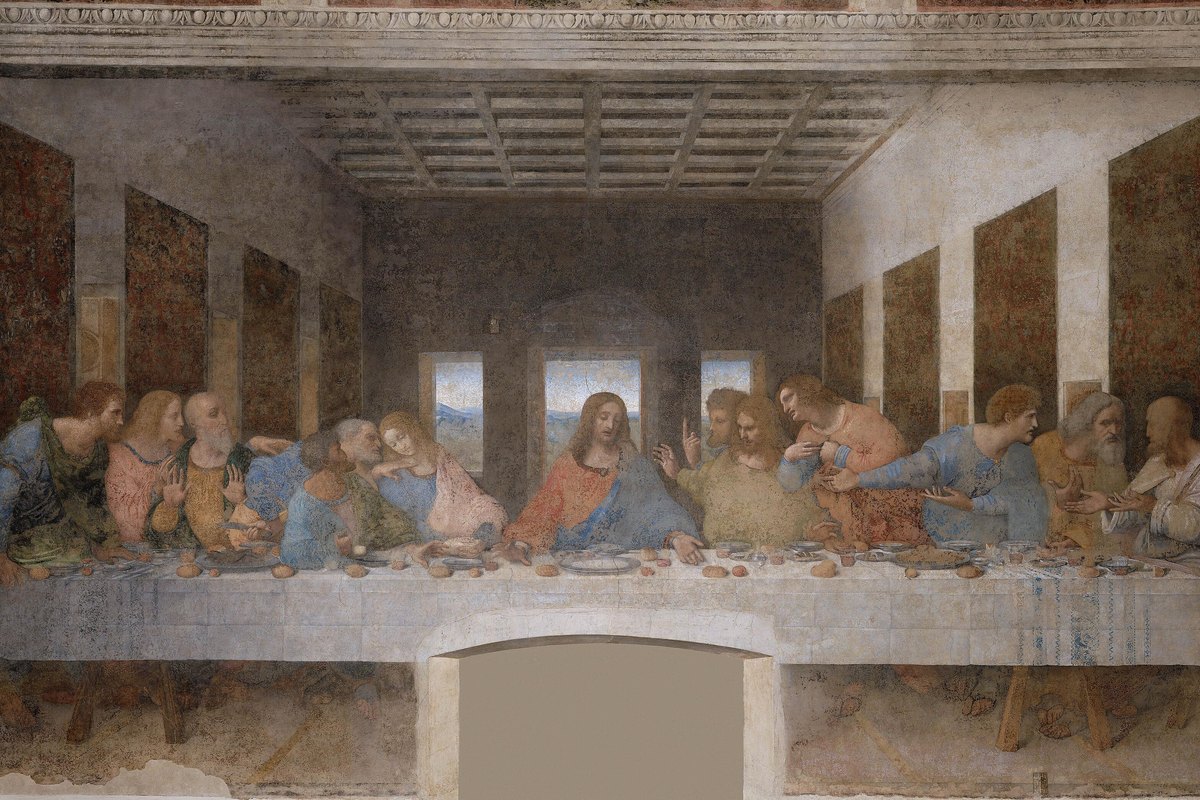
Image: The Last Supper, Leonardo da Vinci, 1495-1498. Santa Maria delle Grazie, Milan, public domain.