
Theological, Anthropological, and Cosmological Dimensions in the Book of Psalms
The Psalms say what dogmatics later organises: who God is, who the human being is, and where both dwell. A reading in three dimensions.
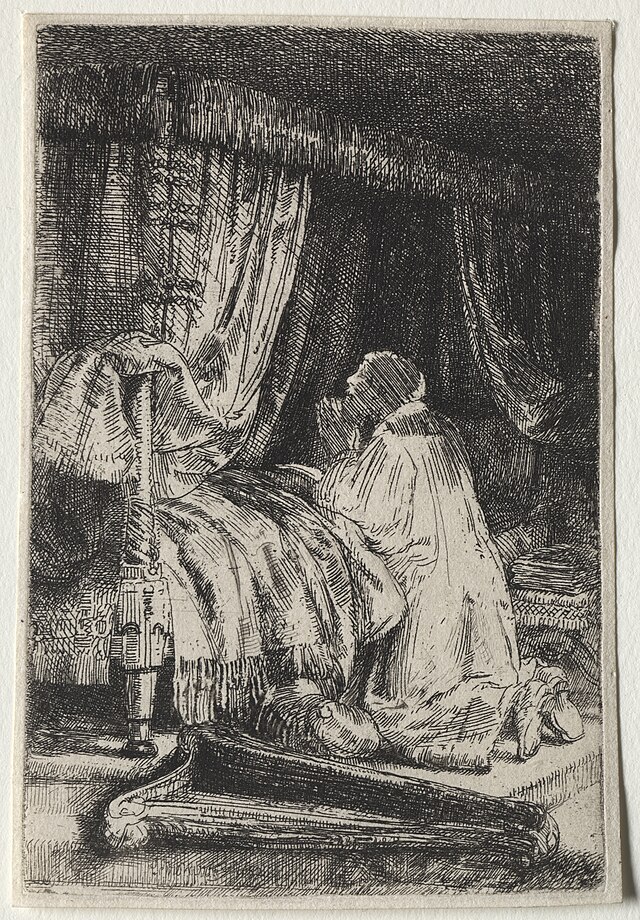
The Psalms say what dogmatics later organises: who God is, who the human being is, and where both dwell. A reading in three dimensions.
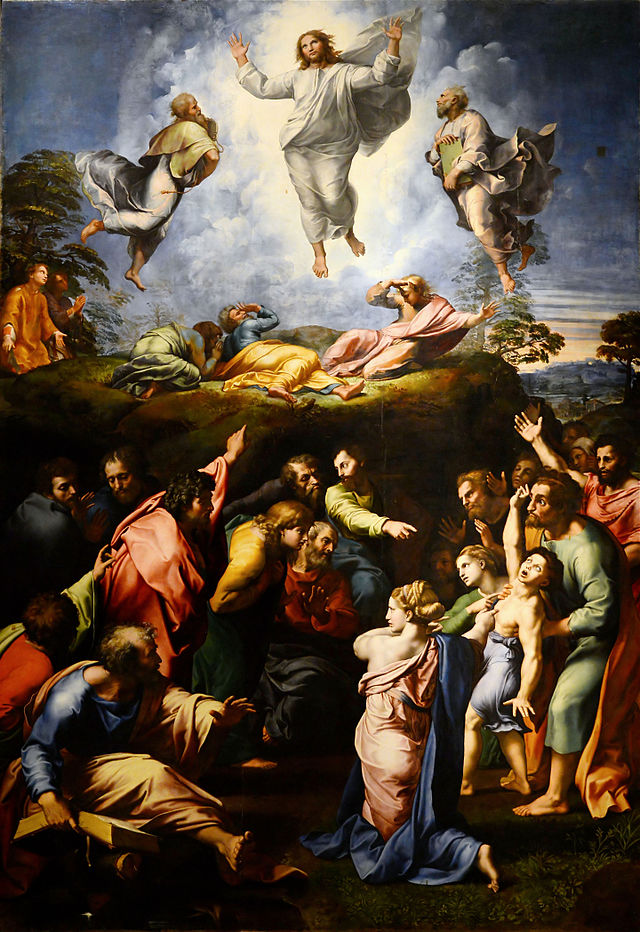
Christology from above begins with the divine nature and asks of the disciple what cannot be demonstrated: faith. On what that starting point wins, and what it risks.
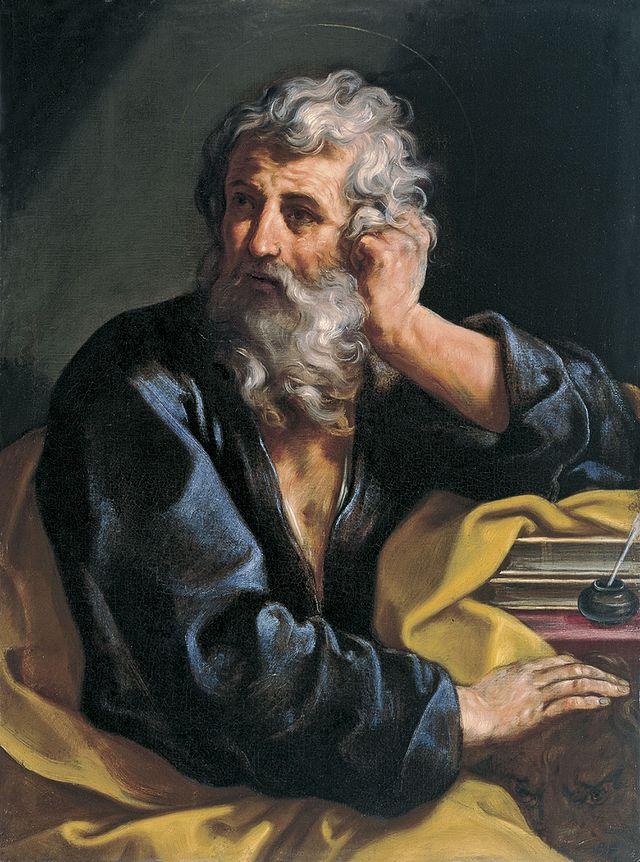
Mark is the leanest of the Gospels and the most direct about the mission of Jesus: to announce the Kingdom. A theological synthesis of the first account.
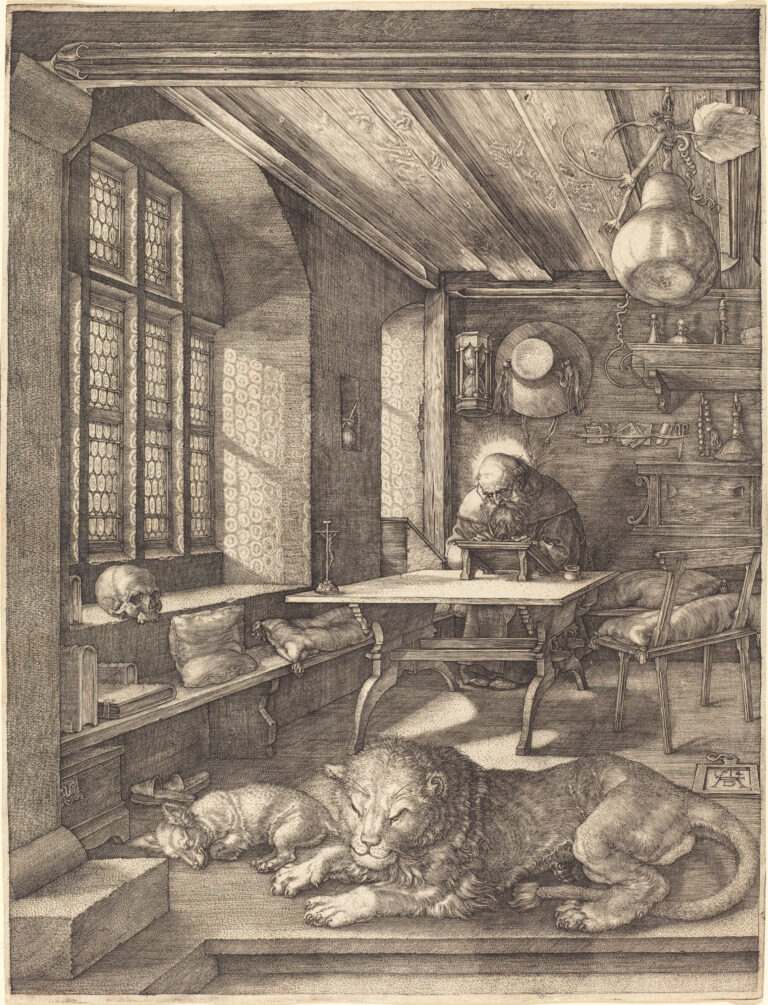
Historical-critical, grammatical, narrative: each method makes the Bible answer a different question. A map of which to use, and when.
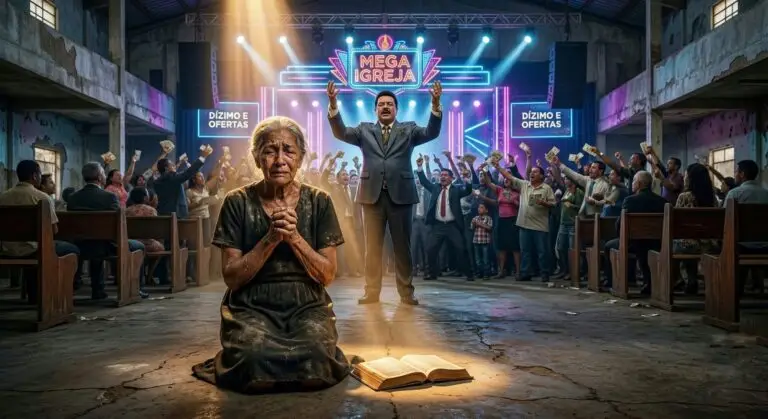
Prosperity theology did not fall from the sky: it came out of retribution theology. Tracing that origin is the most effective way to disarm it.
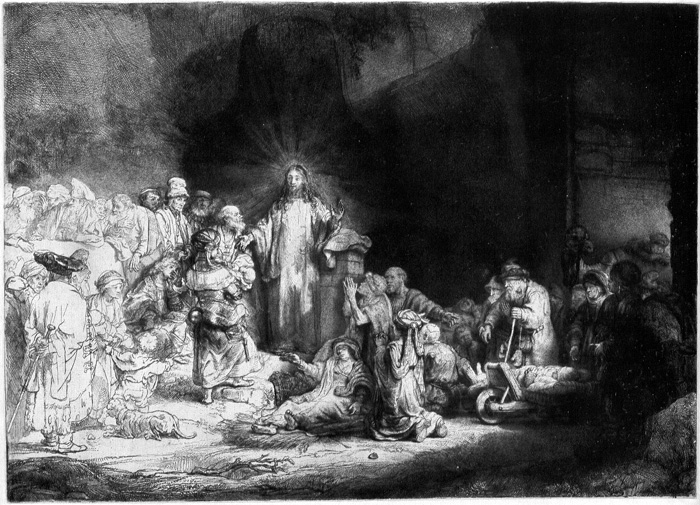
Health is more than the absence of disease, and Christian spirituality has something to say about it without turning into therapy or a promise of healing.
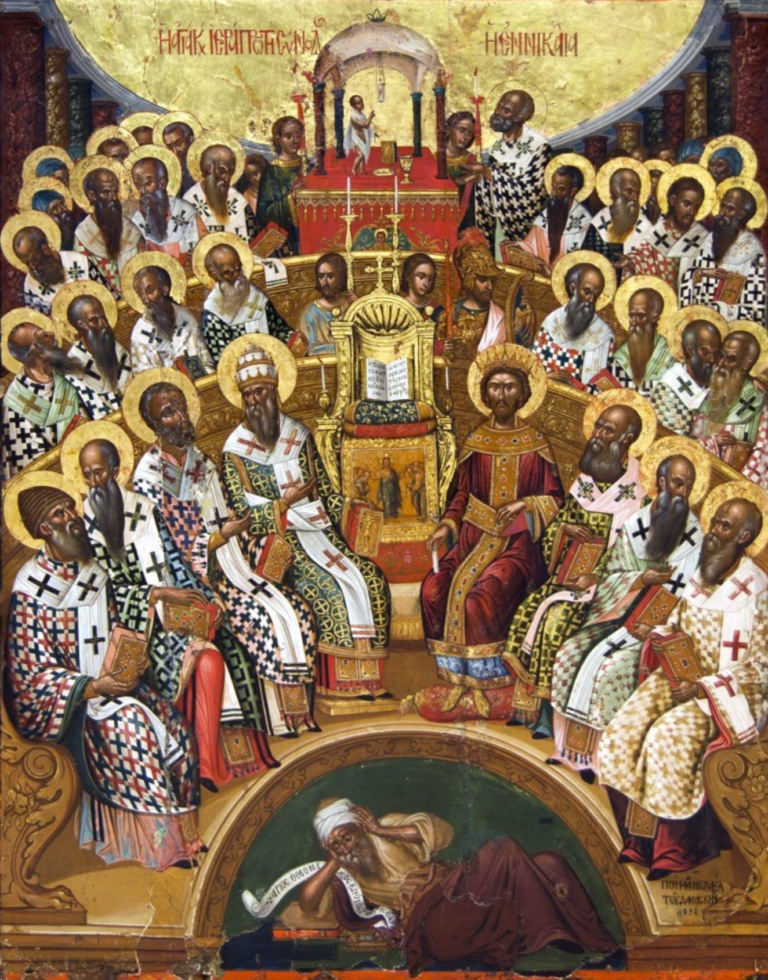
The Church is a living organism and a visible institution at once. It is at that seam that contemporary church government gets stuck.
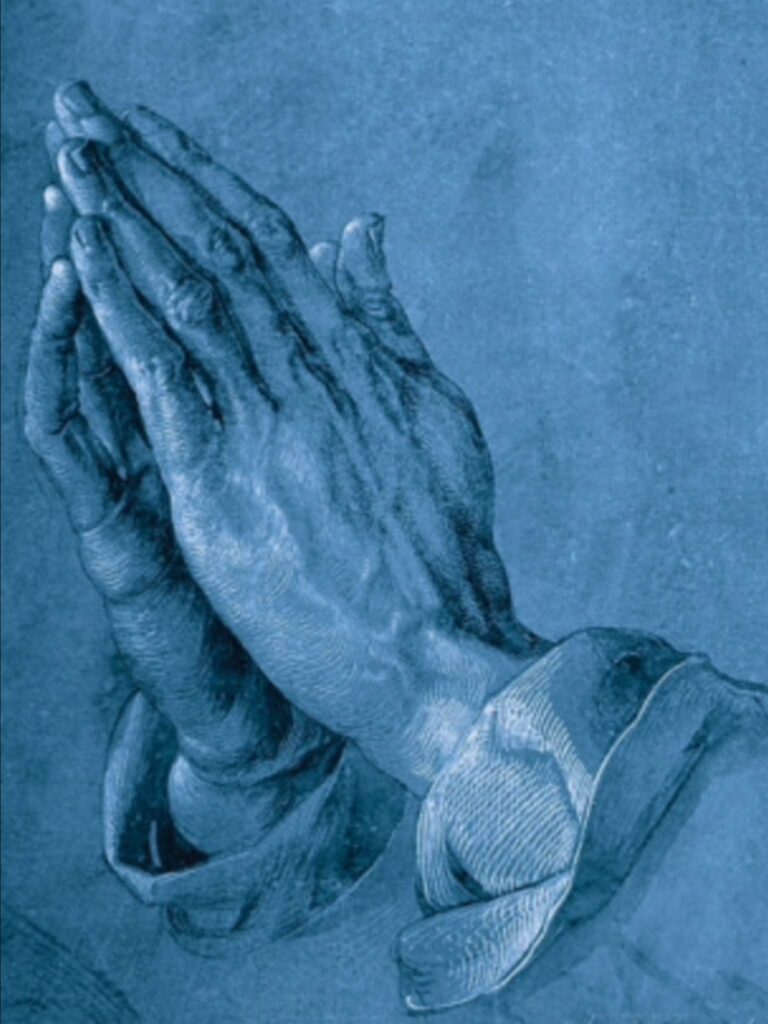
Dualism, trichotomy or unity: the answer chosen reshapes the whole of spiritual practice, including what is meant by deliverance and healing.
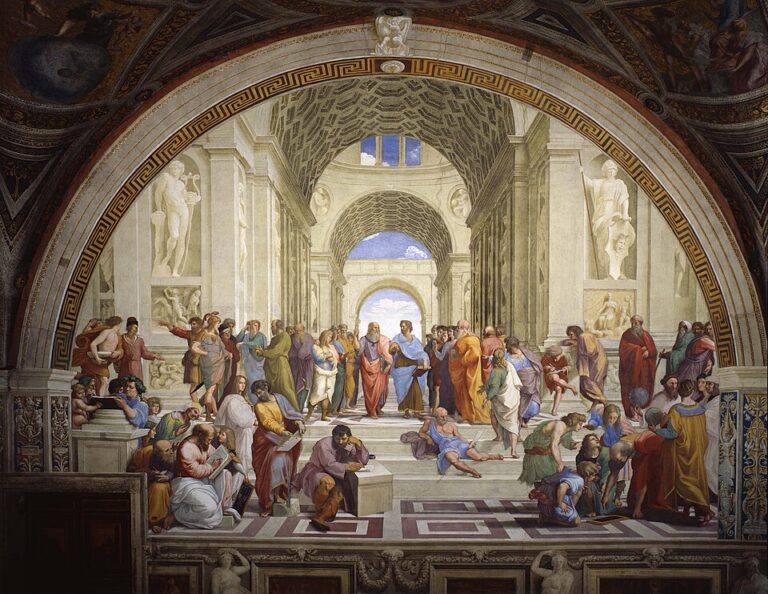
No message can be interpreted outside the time in which it was spoken. The elements that build historical-cultural context, and how to assemble them without inventing.
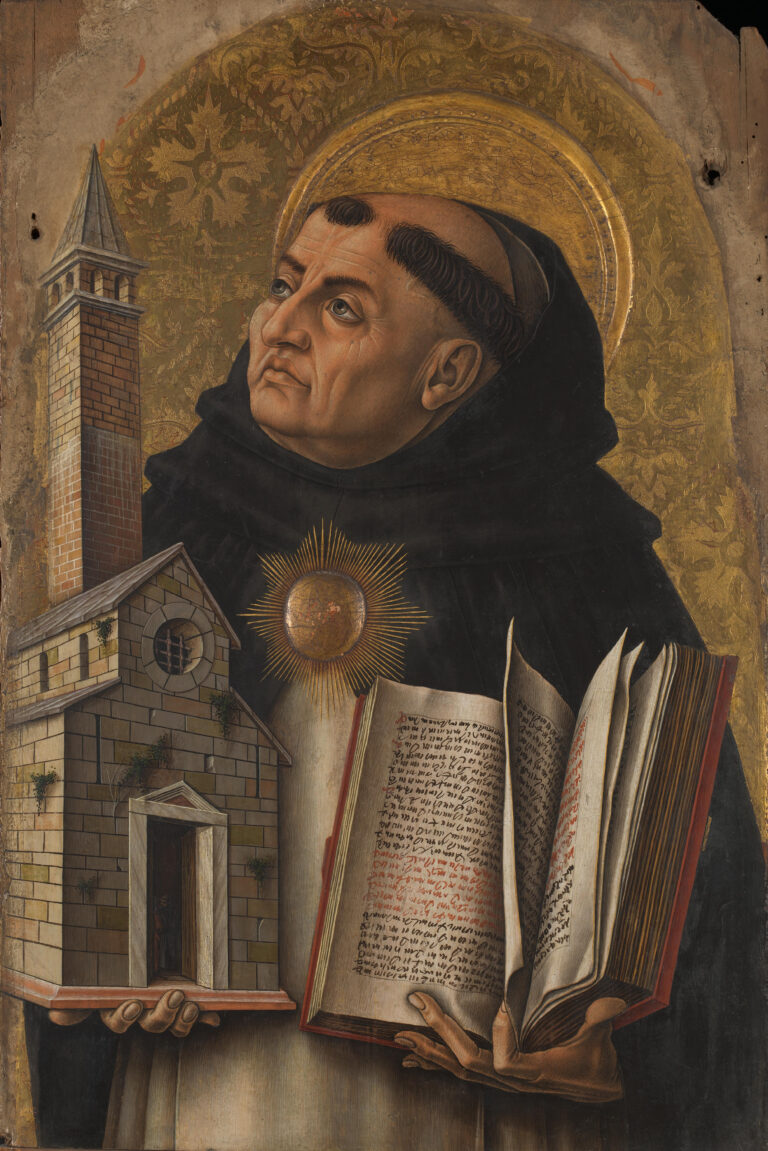
Theology converses with philosophy, history and the human sciences, or it isolates itself and grows ill. On the real price of each choice.
Buscar no blog

