
Pentecostal Pneumatology and Empowerment for Service
Pentecostal pneumatology does not end in experience: it exists to empower service. This article follows the doctrine of the Spirit through to that practical consequence.
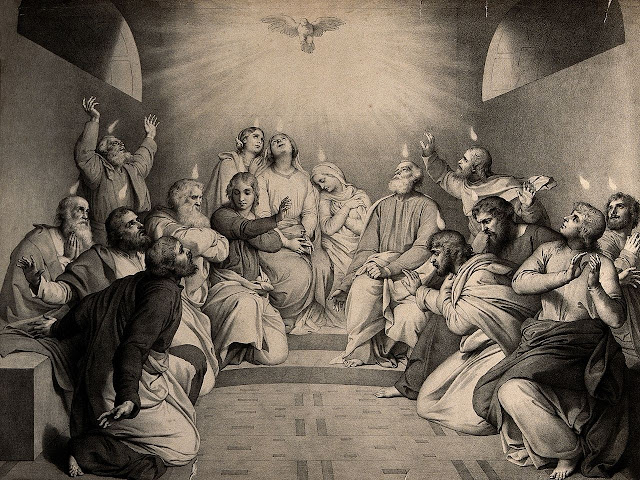
Pentecostal pneumatology does not end in experience: it exists to empower service. This article follows the doctrine of the Spirit through to that practical consequence.
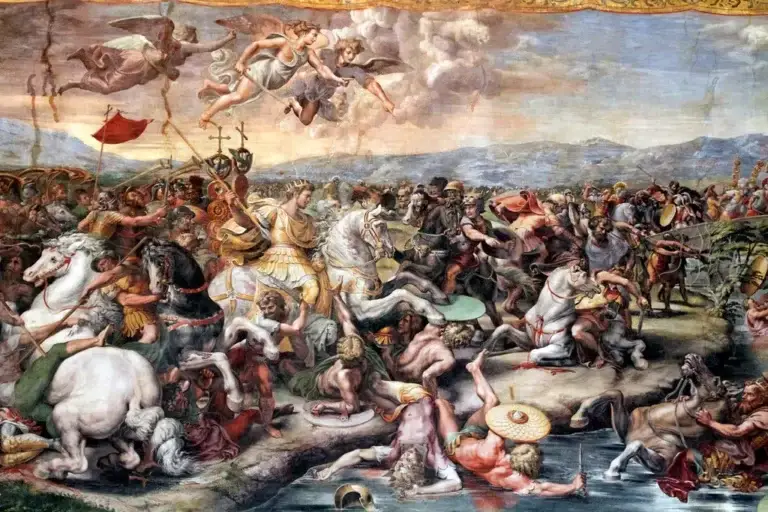
Constantine’s conversion changed the machinery of the Church more than its faith. A historical analysis of what the emperor actually altered, and at what cost.
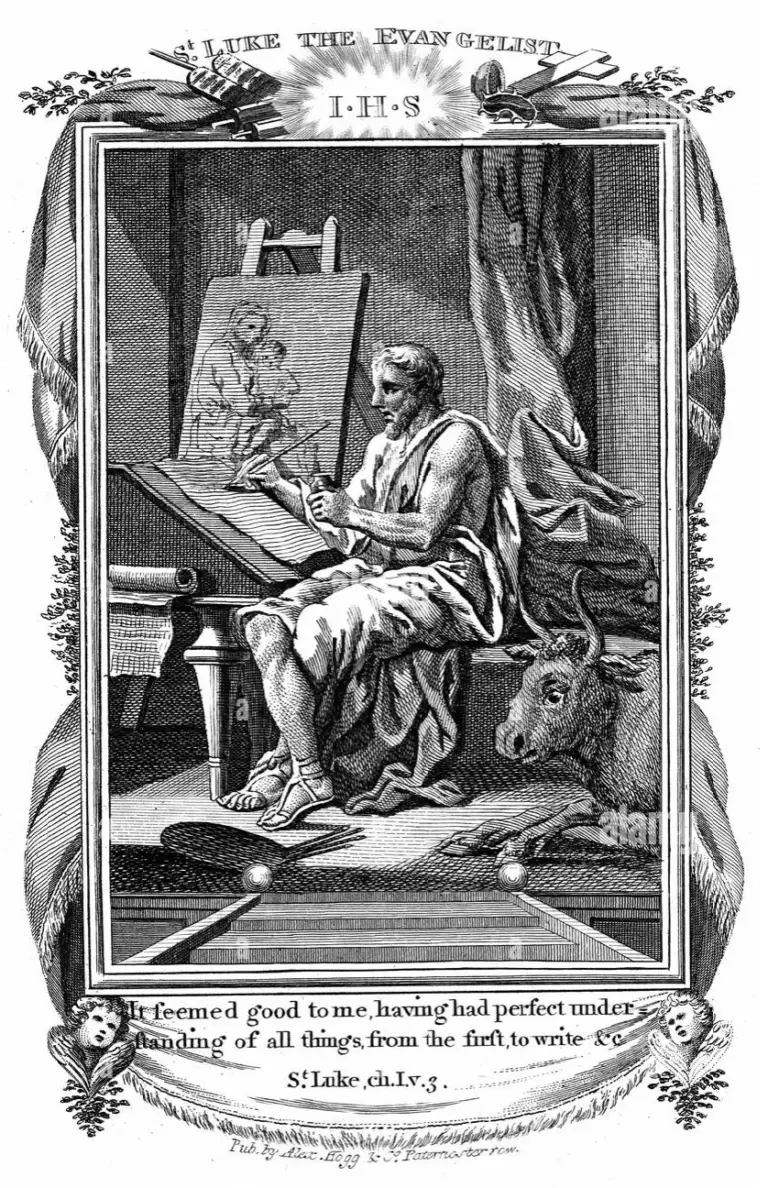
Luke writes with the Spirit at the centre of the plot. The salvific-historical method shows why this is narrative structure, not devotional emphasis.

Churches receive more neurodivergent and unwell people every year, and teach as if they did not. What educational psychology has to say to teaching in the church.
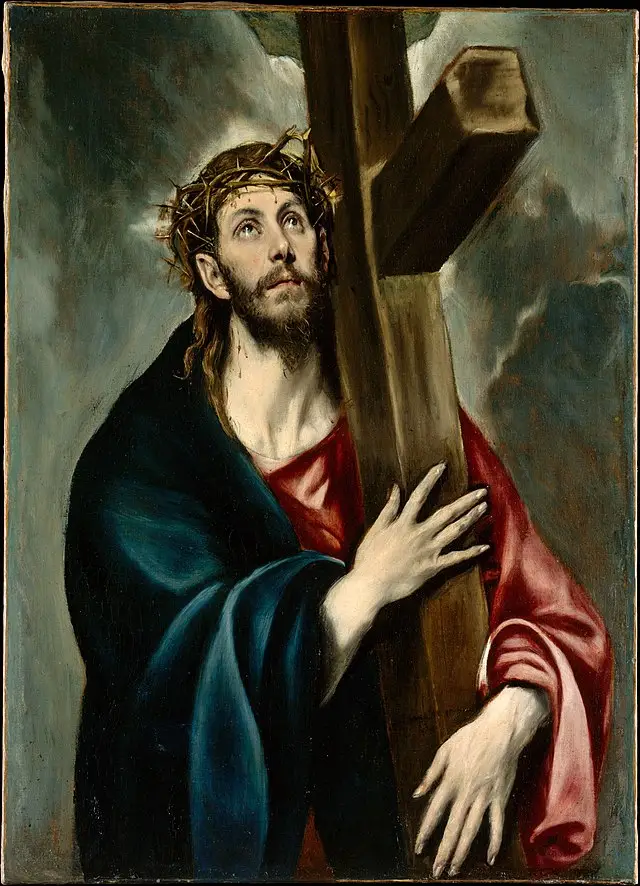
I was a leper once, and today I am restored. I did not spread rumour: I spoke of grace. A short piece on the way of the cross lived, not described.
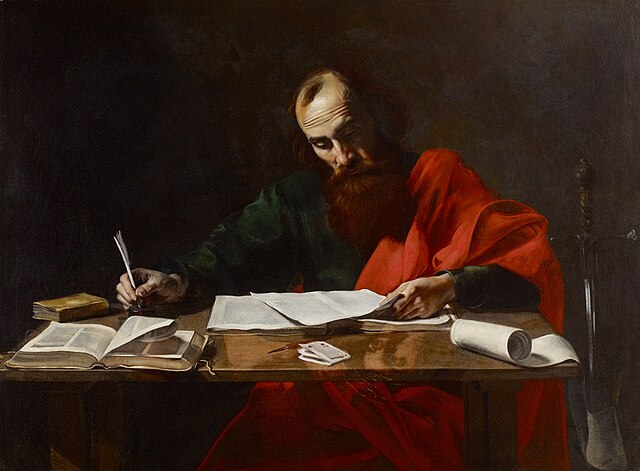
Ephesians stands among the densest treatises in Christian literature. What the letter settles about salvation also defines, and limits, the purpose of the Church.
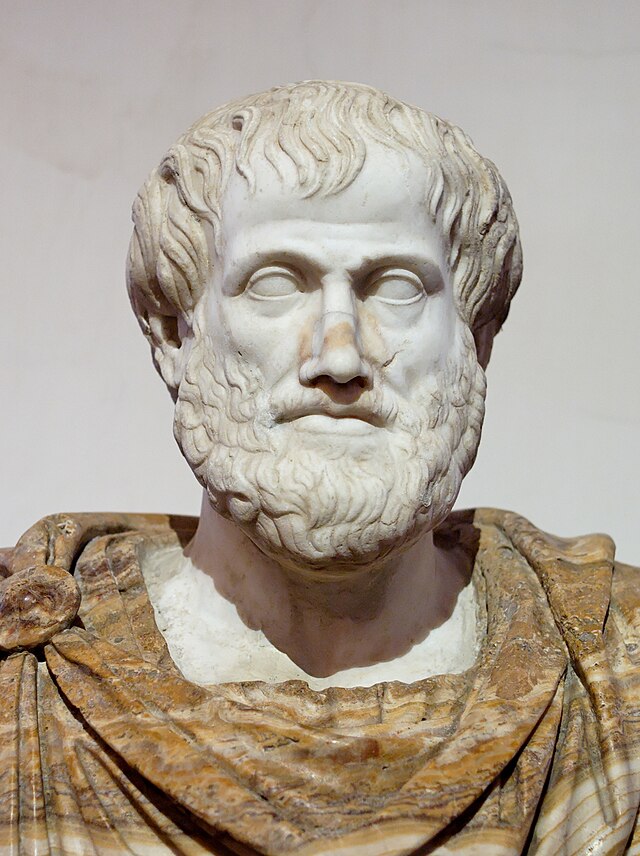
Greek and Hebrew disagreed about what a body is. Christian anthropology inherited both answers, and still lives inside the tension.
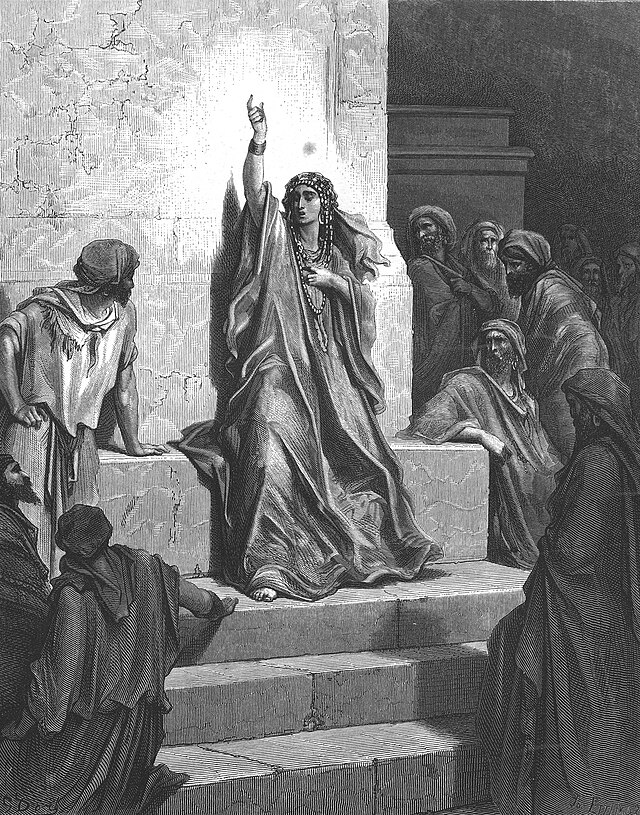
Judges shows Israel just after the conquest, and the portrait is embarrassing. That is precisely why the book speaks so accurately to the Church today.
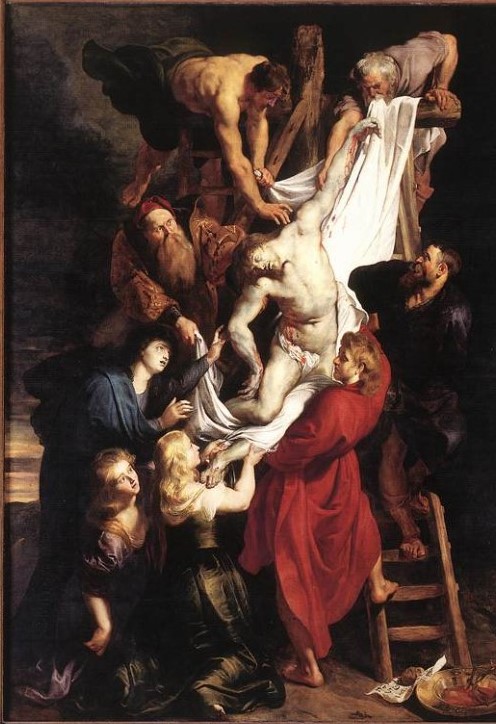
The cross is the centre of Scripture, yet Evangelical theology reaches that centre by a route of its own. This piece reconstructs that route.
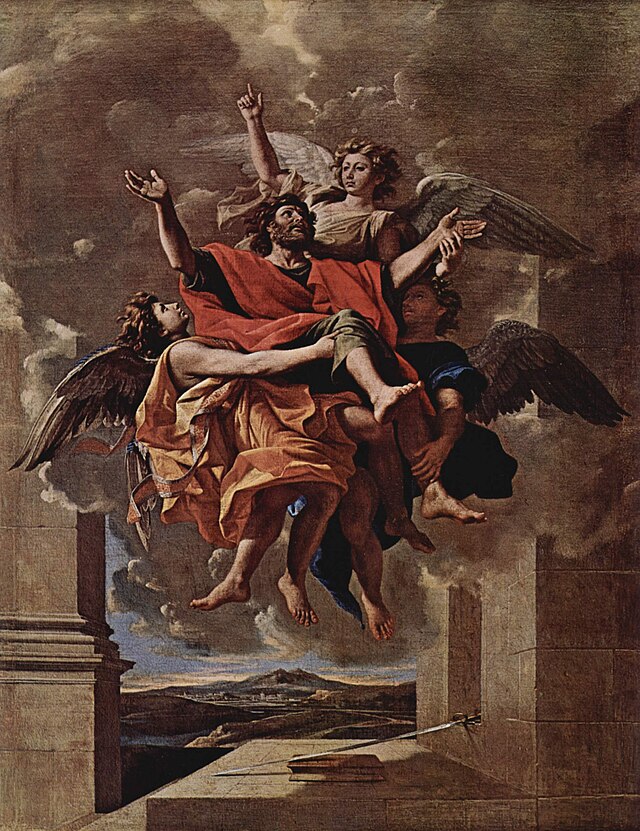
Paul wrote to the Thessalonians under pressure, and the parousia dominates both letters. What his eschatology demands of the churches that quote it today.
Buscar no blog

