The Way of the Cross
I was a leper once, and today I am restored. I did not spread rumour: I spoke of grace. A short piece on the way of the cross lived, not described.
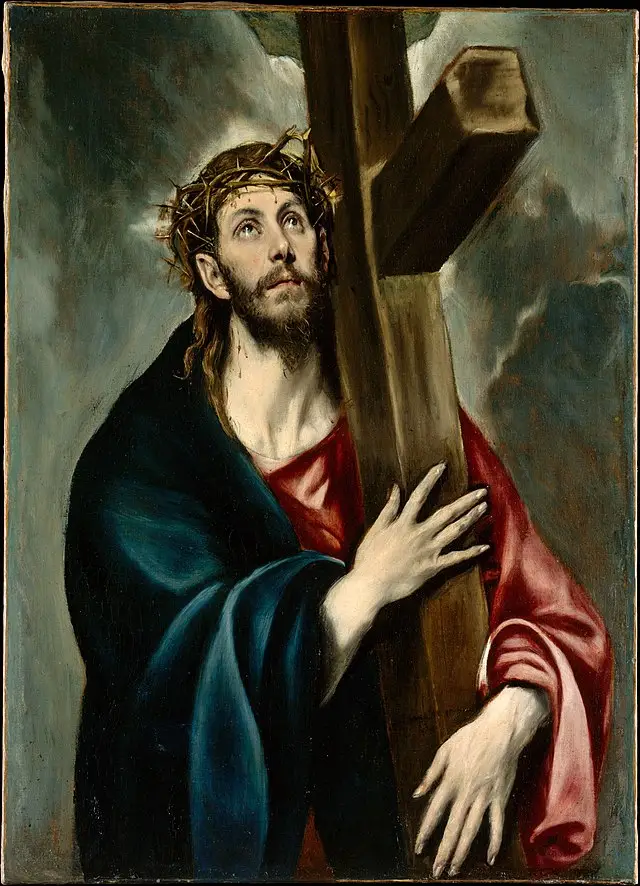
I was a leper once, and today I am restored. I did not spread rumour: I spoke of grace. A short piece on the way of the cross lived, not described.
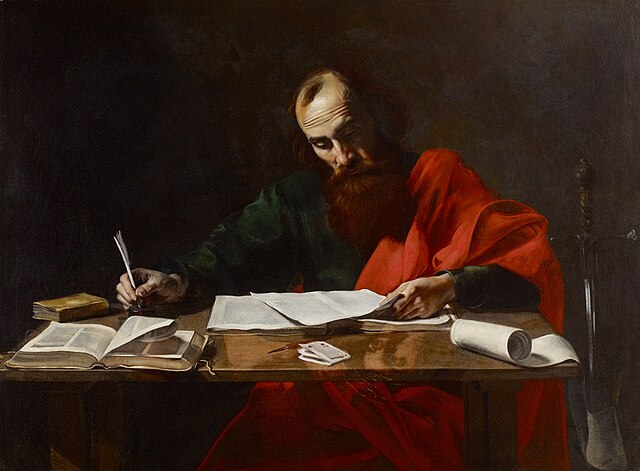
Ephesians stands among the densest treatises in Christian literature. What the letter settles about salvation also defines, and limits, the purpose of the Church.
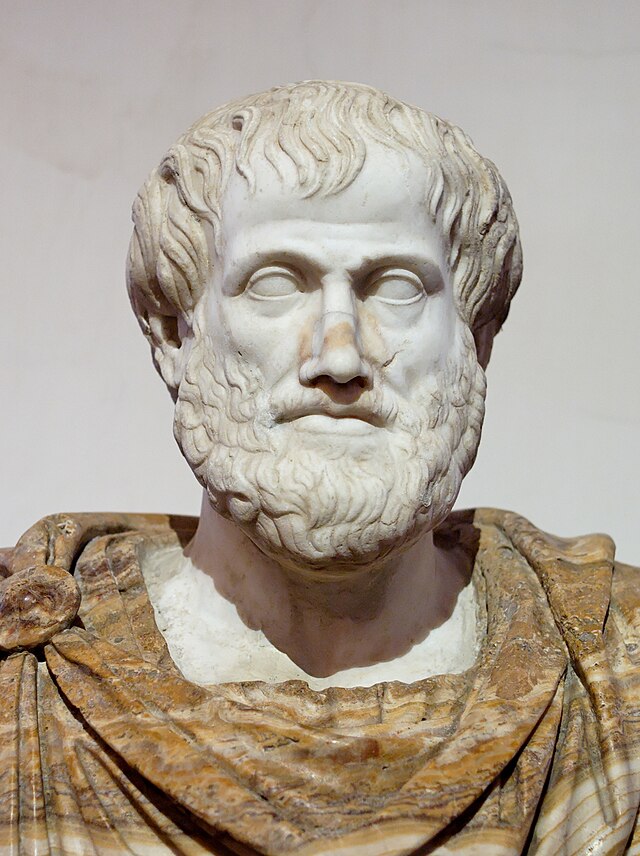
Greek and Hebrew disagreed about what a body is. Christian anthropology inherited both answers, and still lives inside the tension.
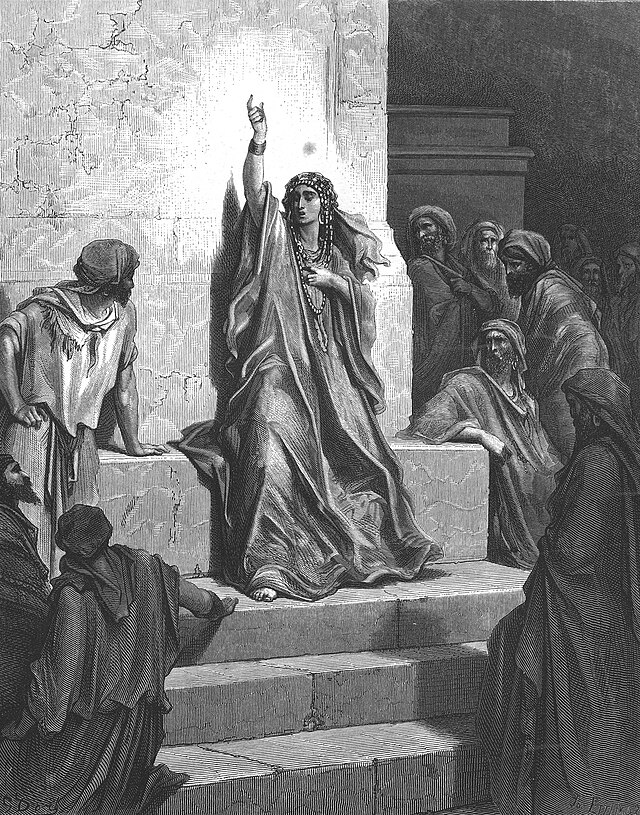
Judges shows Israel just after the conquest, and the portrait is embarrassing. That is precisely why the book speaks so accurately to the Church today.
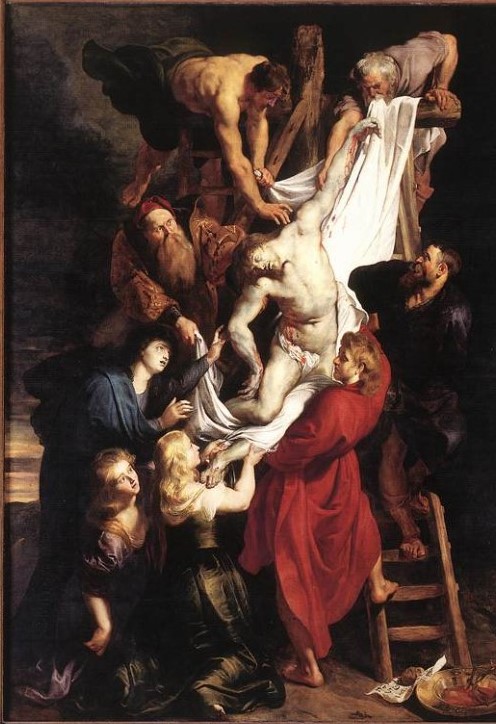
The cross is the centre of Scripture, yet Evangelical theology reaches that centre by a route of its own. This piece reconstructs that route.
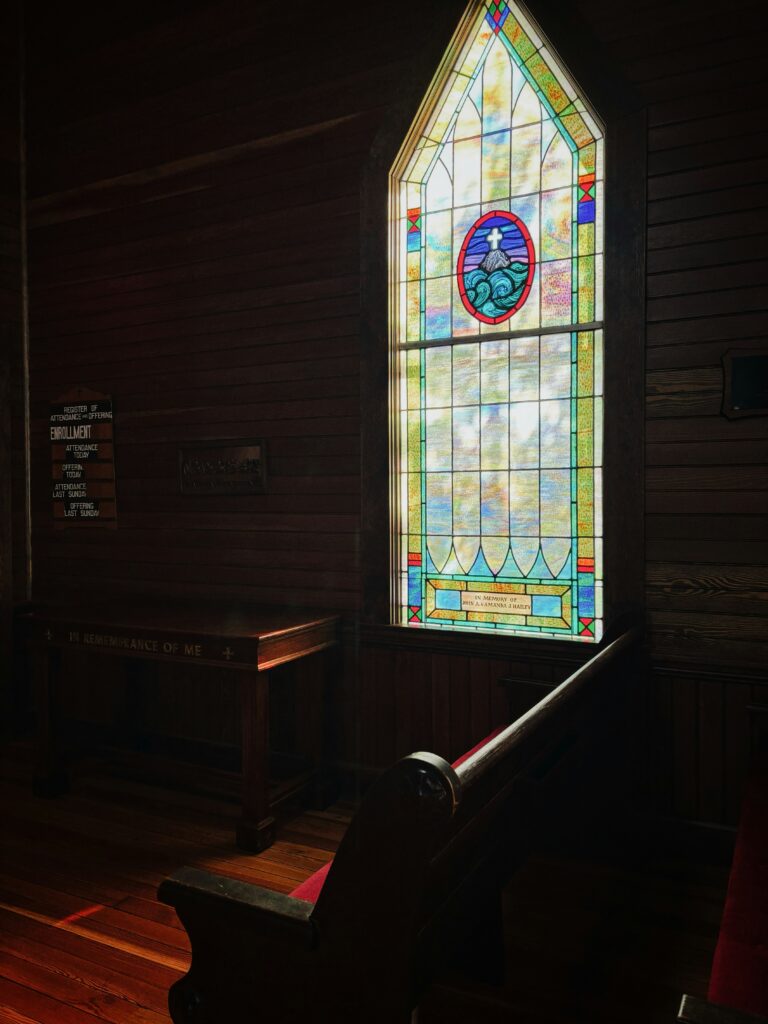
In a secular and plural society, the sacred is no longer a given. This piece argues that it remains the substance of theological practice all the same.
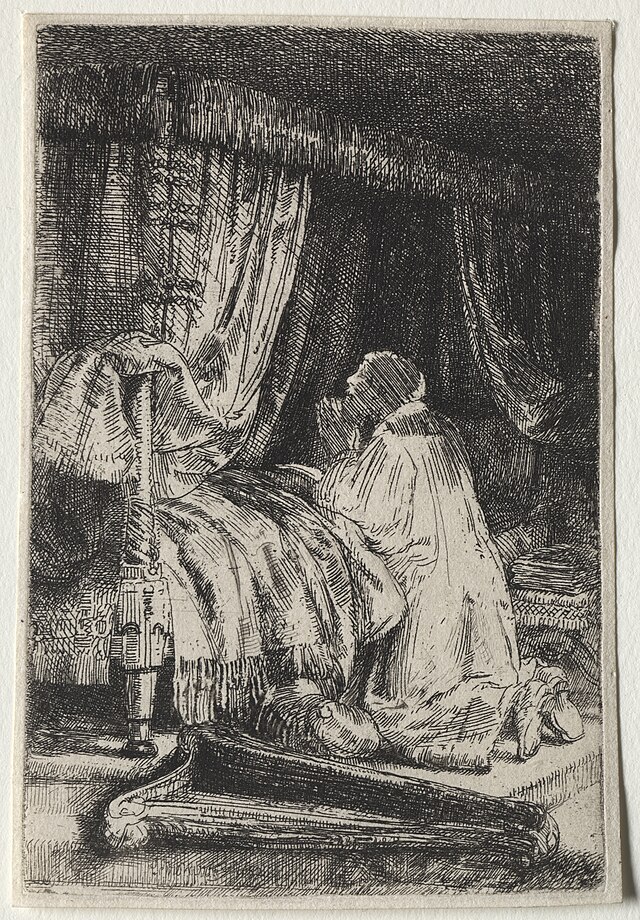
The Psalms say what dogmatics later organises: who God is, who the human being is, and where both dwell. A reading in three dimensions.
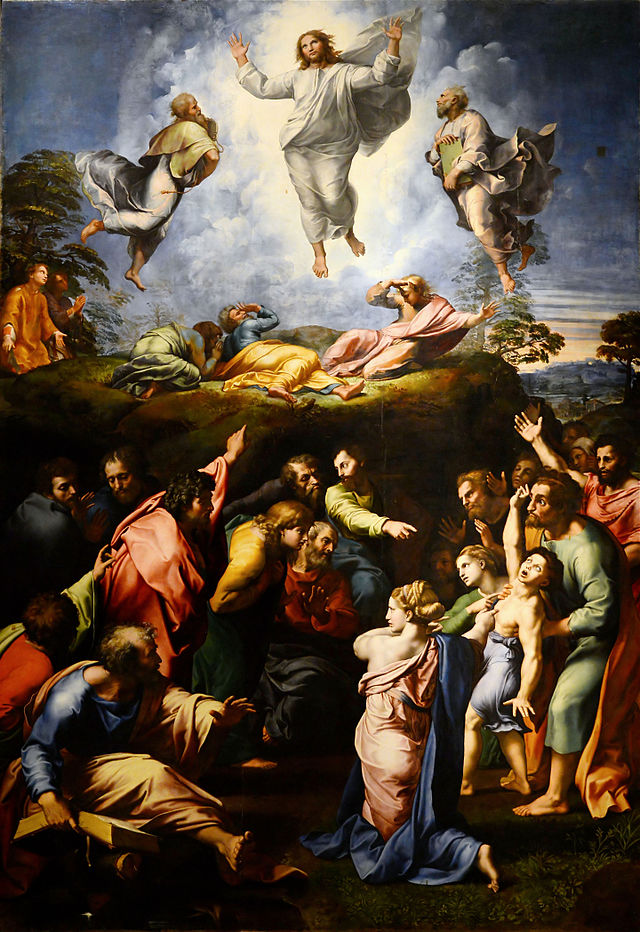
Christology from above begins with the divine nature and asks of the disciple what cannot be demonstrated: faith. On what that starting point wins, and what it risks.
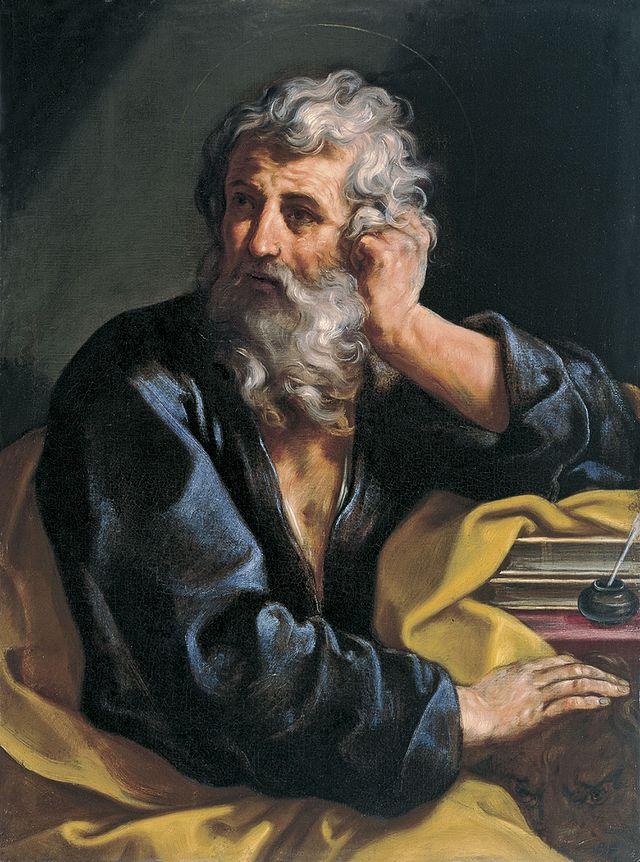
Mark is the leanest of the Gospels and the most direct about the mission of Jesus: to announce the Kingdom. A theological synthesis of the first account.
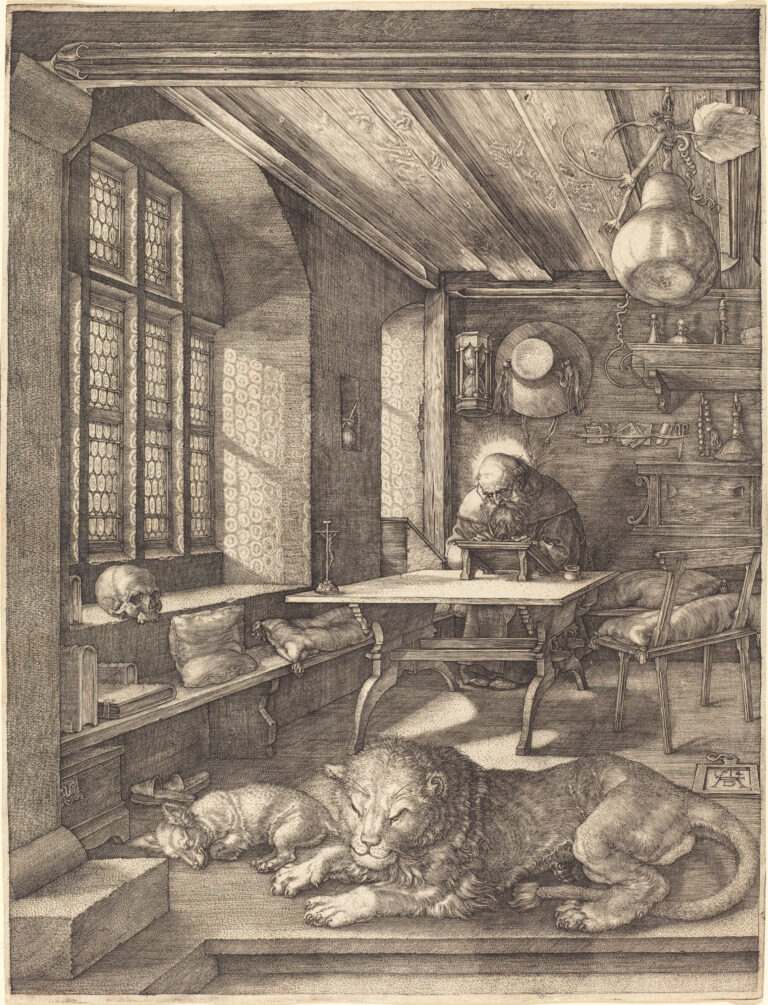
Historical-critical, grammatical, narrative: each method makes the Bible answer a different question. A map of which to use, and when.
Buscar no blog

