The Salvific-Historical Method of the Gospel of Luke
Luke writes with the Spirit at the centre of the plot. The salvific-historical method shows why this is narrative structure, not devotional emphasis.
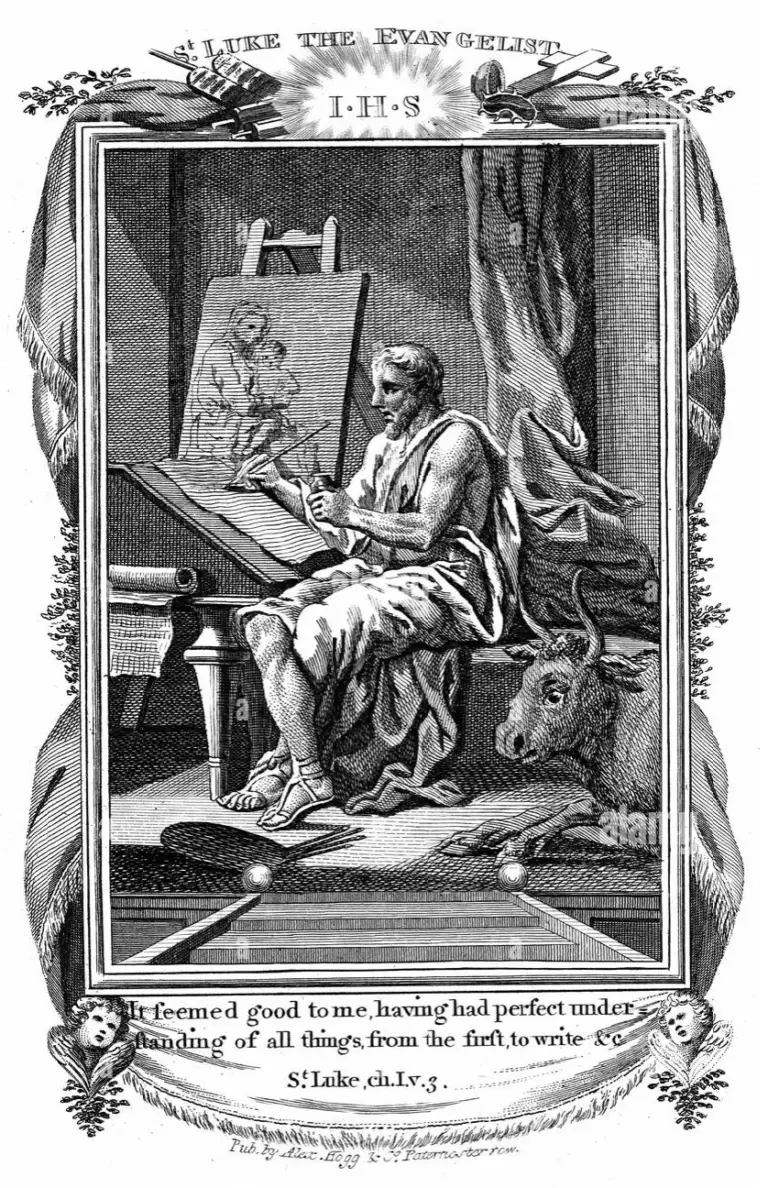
Luke writes with the Spirit at the centre of the plot. The salvific-historical method shows why this is narrative structure, not devotional emphasis.
Churches receive more neurodivergent and unwell people every year, and teach as if they did not. What educational psychology has to say to teaching in the church.
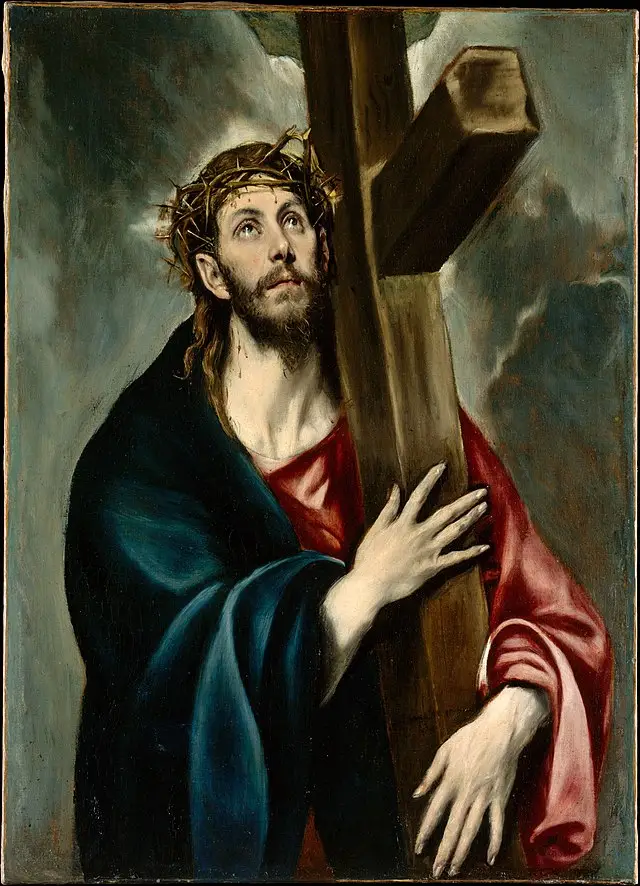
I was a leper once, and today I am restored. I did not spread rumour: I spoke of grace. A short piece on the way of the cross lived, not described.
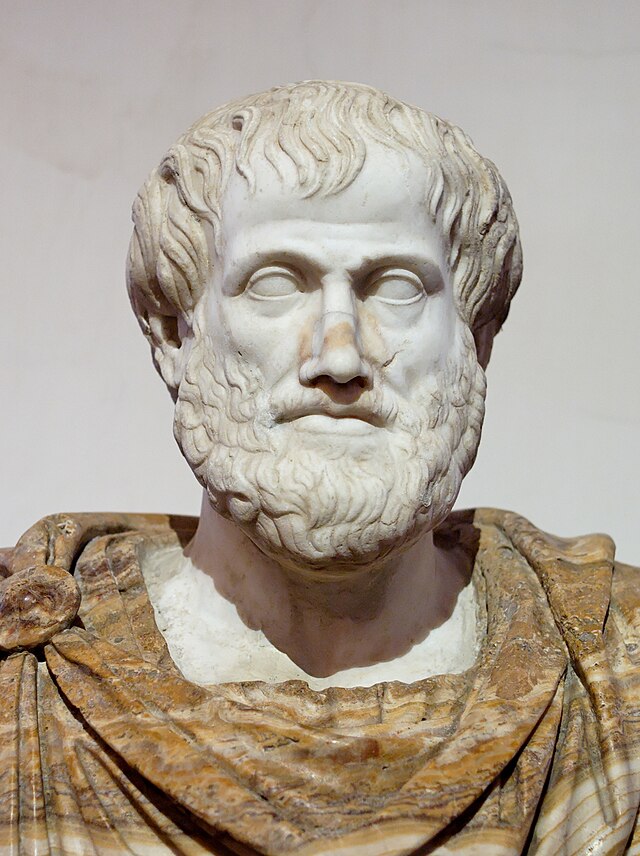
Greek and Hebrew disagreed about what a body is. Christian anthropology inherited both answers, and still lives inside the tension.
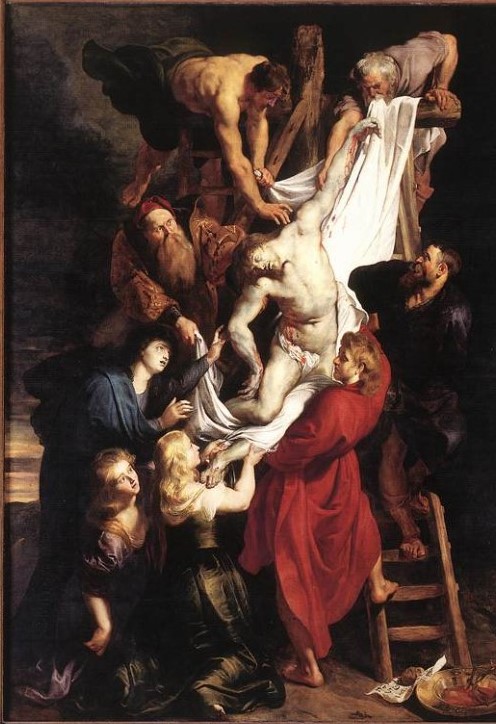
The cross is the centre of Scripture, yet Evangelical theology reaches that centre by a route of its own. This piece reconstructs that route.
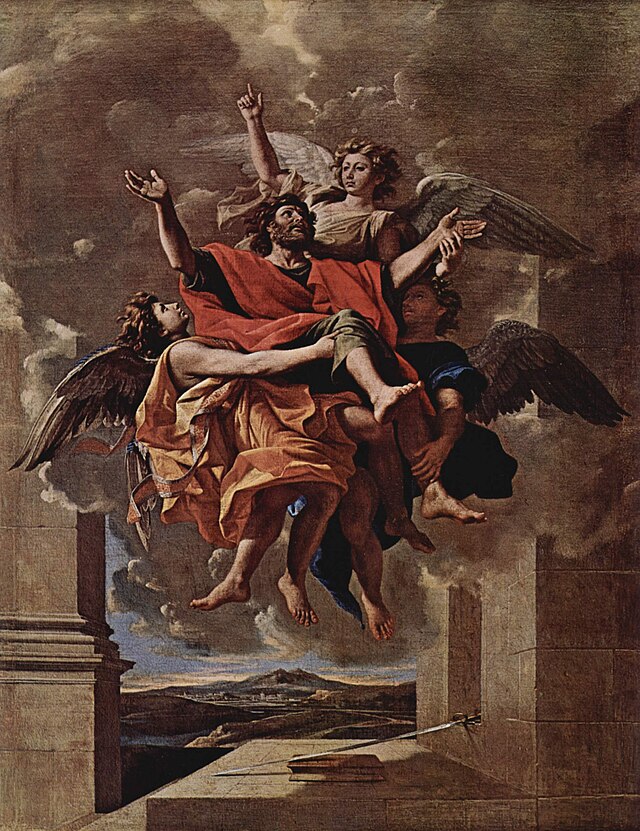
Paul wrote to the Thessalonians under pressure, and the parousia dominates both letters. What his eschatology demands of the churches that quote it today.
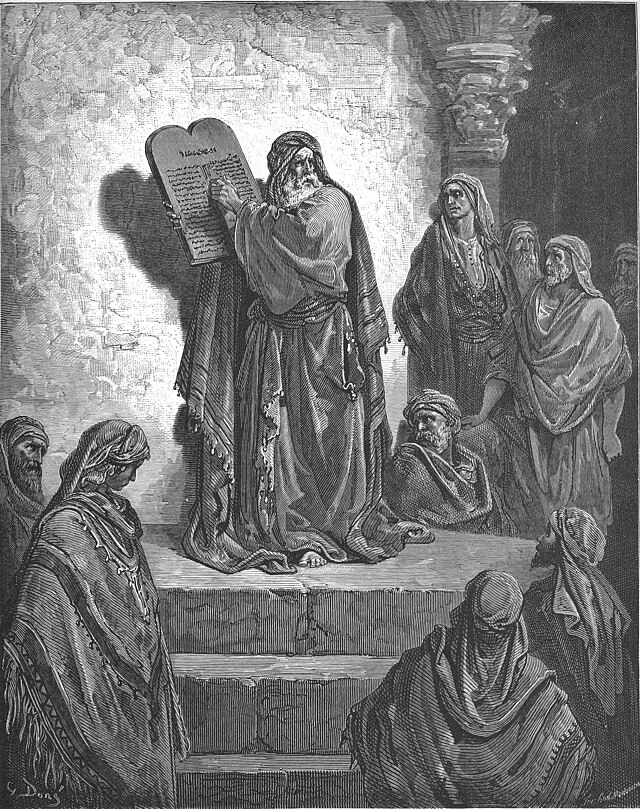
Ezra leads the return from exile and the rebuilding of the temple as both priest and scribe. Two roles that contemporary Christian leadership insists on separating.

Faith is the starting point of theological work, not its obstacle. On what Pentecostal spirituality adds to academic formation, and what it demands of it.
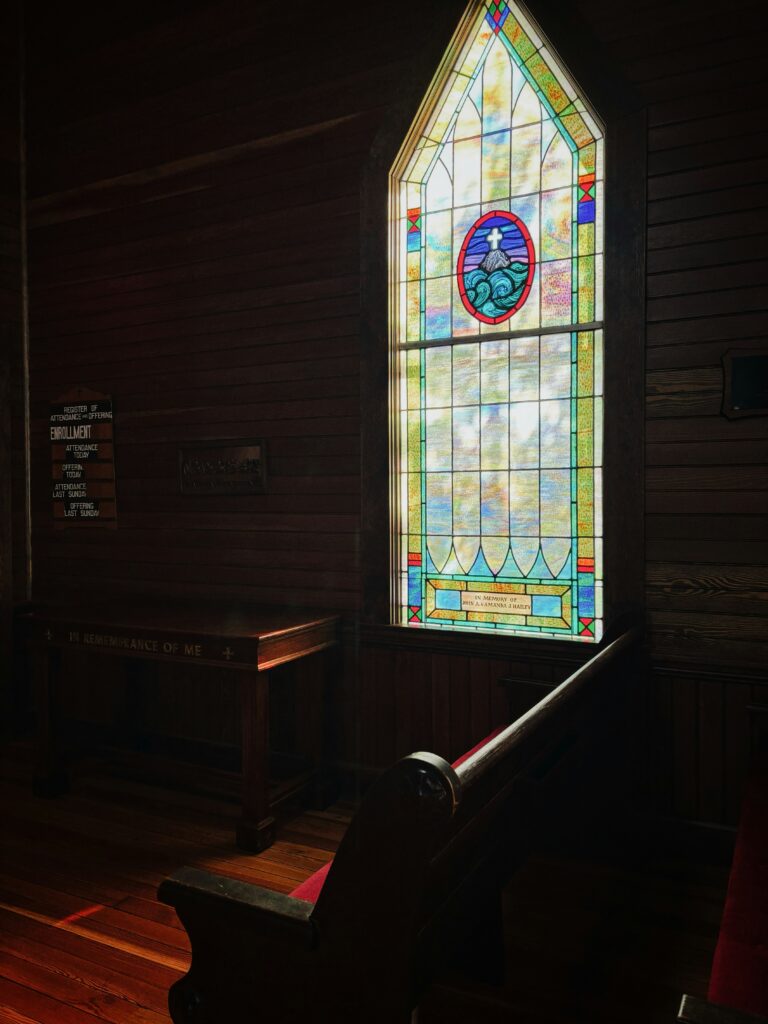
In a secular and plural society, the sacred is no longer a given. This piece argues that it remains the substance of theological practice all the same.

The Holy Spirit is the third person of the Trinity, not the third in importance. How Brazilian Pentecostalism understood that distinction, and where it stumbled.
Buscar no blog

