The Implications of the Holistic Conception of the Human Being in Spiritual Practices
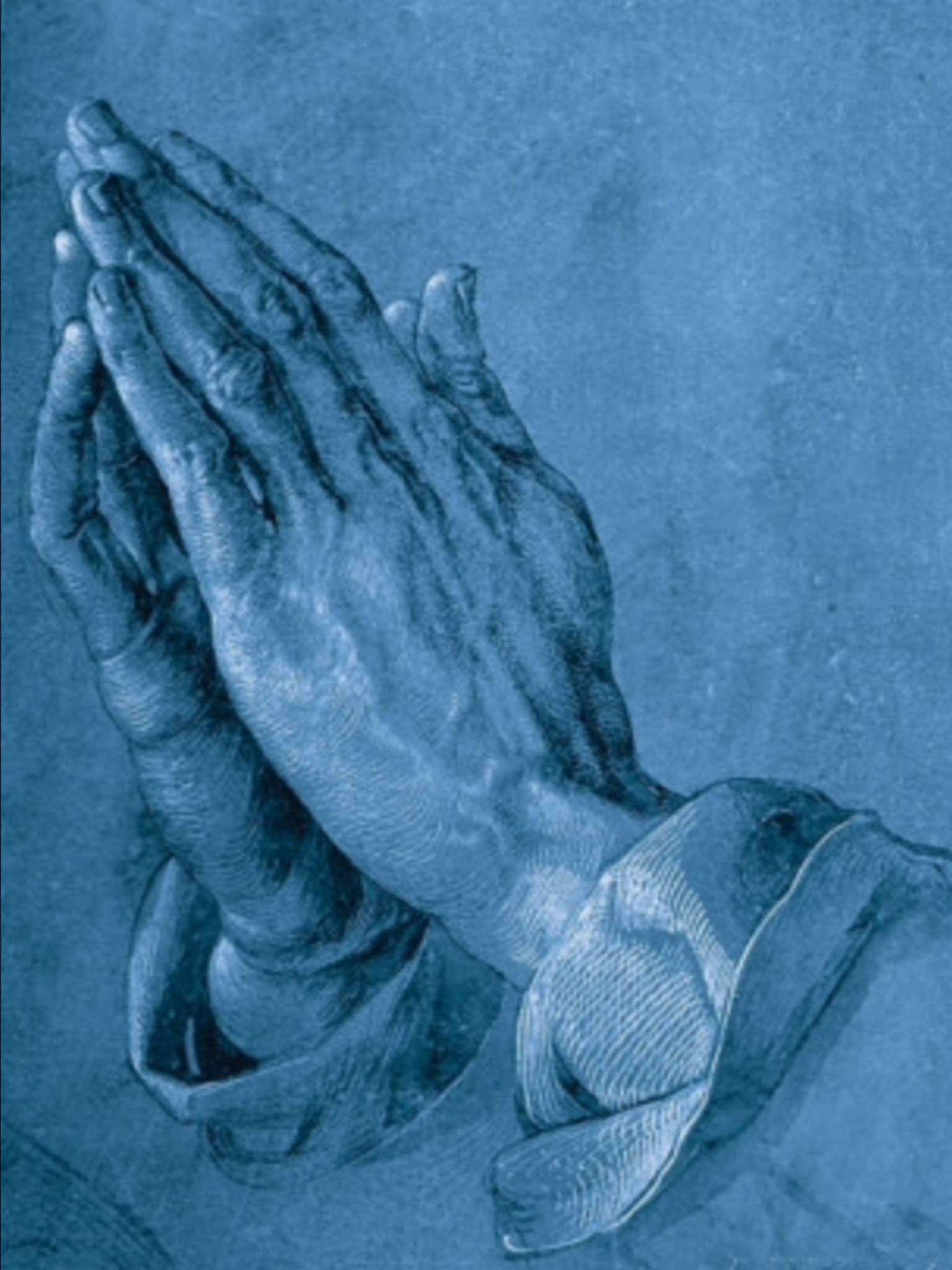
Theological anthropology offers competing accounts of how the parts that constitute the human being are divided. Whether cast as dualism or as trichotomy, they arrive at the same conclusion: the human being is at once material and immaterial.
Whichever account one adopts, an analysis from the standpoint of the holistic being is unavoidable — one in which the parts form a unity rather than a set of fragments with separate functions. They work together to make the person whole, so that life is lived through the balanced exercise of them all.
How a person receives this idea will shape the form and the quality of their spiritual disciplines and practices. There is a tendency to disparage the body in favor of qualities of a spiritual nature; in the light of the Holy Scriptures, however, that approach cannot be sustained.
The Old Testament gives evidence that the body is as important as the spirit, for it bears the image of God. The spirit works together with the body to live out the abundant life; yet for that life to take shape, it must first pass through the experience of the material body.
The most coherent way to please the Creator, therefore, is to care for the body and to regard it as of the highest importance, together with the soul and the spirit. For much of history the body was seen as the prison of the soul, a conception inherited from Greek anthropology. To belittle the body in this way is harmful, and contrary to biblical teaching.
It is through the holistic conception of the human being, then, that a full and rich spirituality is exercised. The human being is an integral unity rather than a collection of fractions — an understanding that makes clear that every part matters, and that all of them work together for the good of one’s material and spiritual life.