Conceptions of the Human Body in the Greco-Latin and Jewish Perspectives
The human body has been a subject of reflection across the centuries, from antiquity to the present day, and no consensus has ever been reached about how to define it. Each culture, accordingly, holds its own understanding of what the body is.
In Greco-Latin culture, the body is a kind of prison of the soul, while the soul is the seat of the virtues — that is, of the spiritual realm. This approach treats the human being dualistically, setting the two parts against each other, which lends the resulting anthropology a certain pessimism.
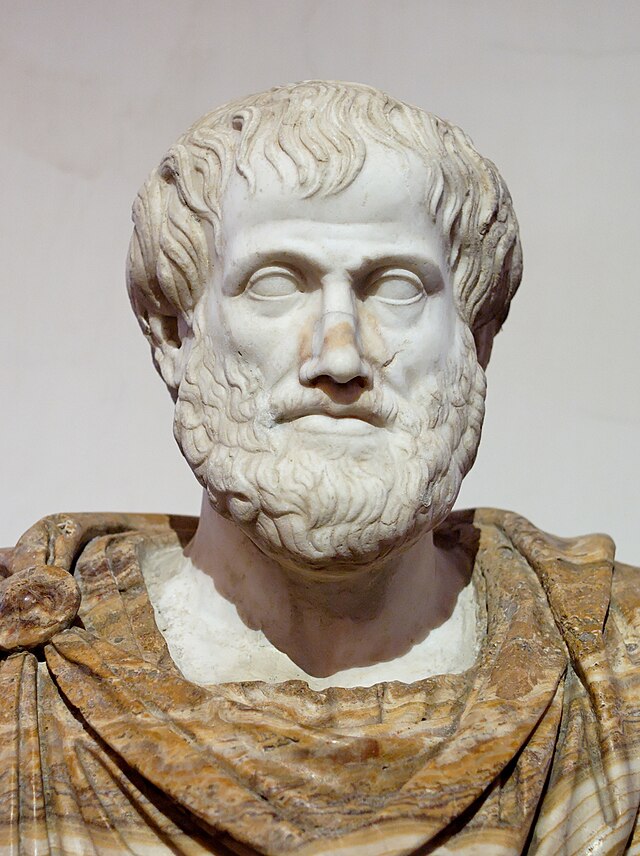
The foremost exponent of this current was Plato, whose influence extended over much of Western culture and reached even such renowned theologians as Augustine of Hippo. As Dr. Fernando Albano puts it:
For Plato, the body and the soul are in opposition to one another; the soul is the source of all motion. Proceeding from God, the soul would not be subject to perish, because it is immortal. The body, therefore, was merely the “prison” of the soul.¹
Set against this is the Hebrew understanding of the body, which is unitary. On the Jewish view the body is not evil; the human being is integral — body, soul, and spirit. On this point Albano writes:
In general, the Bible presents a unitary view of the human being, although in a non-systematic way. […] The Old Testament understands the human being “holistically” and does not make divisions between mortal body and immortal soul, or between body and spirit.²
The Platonic view, it should be noted, shaped much of the Hellenistic ontological reading of the New Testament and even Pentecostal anthropology, which tends to regard the body as something to be overcome through practices such as “mortifying the flesh” by fasting and prayer. That same body, however, is understood as a vehicle of liturgical worship, expressing emotion through dancing, raised hands, clapping, and other gestures.
Although different cultures hold widely differing conceptions of what the human body truly is, the human being is composed of body, soul, and spirit, which complement and cooperate with one another. Man must therefore be understood as a unity, not as a fragment — and for that reason it is essential to care for the human being as a whole.
¹ ALBANO, Fernando. Dualismo corpo/alma na Teologia Pentecostal. Tese de Mestrado — São Leopoldo: EST/PPG, 2010, p. 21.
² Ibidem, p. 65.