Theological Analysis of the Book of Ezra and its Relationship with the Theological Thought of the Pentecostal Movement
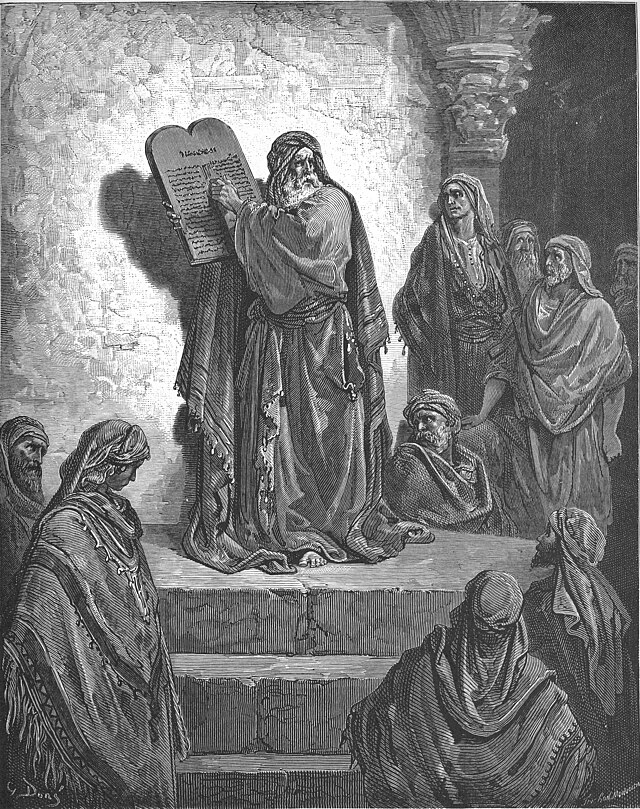
The book of Ezra narrates the return of the Jewish people from the Babylonian exile and the consequent reconstruction of the temple in Jerusalem. The core of the narrative is Ezra’s leadership as priest and scribe, who played a crucial role in the spiritual reform of the people of Israel.
The theology contained in this book deals with physical (temple) and spiritual restoration, represented by the renewal of the covenant with God. The book also addresses the reconstruction of the identity of God’s people, which had been distorted through intermingling with pagan peoples via marriages between Jews and women of other nations.
The central point of the great reform promoted by Ezra lies in the Scriptures, which provide guidelines for social, political, economic, and spiritual restructuring. The Law was the tutor amid disorder, responsible for regenerating life in its fullness in the context in which the people found themselves. Through the Word of God, the people experienced a supernatural revival.
Various parallels can be drawn between the theology of the book of Ezra and the Pentecostal theological perspective. Revival, for example, is a hallmark of Pentecostalism. Just as Ezra strove for the restoration of worship and religious purity in Israel, Pentecostals seek revival through prayer, sanctification, and communion with the Holy Spirit.
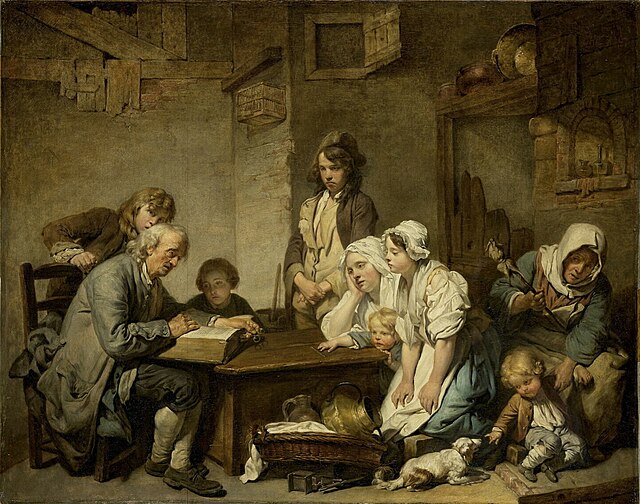
It can be said that the emphasis on the Word as a means to achieve genuine revival is of utmost importance in Pentecostal circles, alongside other spiritual disciplines. It was through the reading of the Law that the people renewed their covenant with God, leading them to repentance in Ezra. Only through the Word can one find life and nourishment to sustain a lasting and true relationship with God.
“So we fasted and implored our God for this, and he listened to our entreaty” (Ezra 8:23). Similarly, in Pentecostalism, communal prayer and fasting are used to cry out for revival. It is worth noting that the Pentecostal experience has a strong emphasis on the moving of the Holy Spirit; within it, experiences of spiritual gifts occur, such as tongues, prophecies, and healings, which edify the entire community of faith.
Finally, the figure of the priest, responsible for both spiritual and physical reconstruction, represents the pastor, moved by the supernatural action of the Holy Spirit, in Pentecostal praxis. However, what governs the entire work, both in the present and the past, is the hand of God. Obedience, prayer, consecration, and divine dependence are indispensable aspects for a victorious life, and all of this is achieved through the reading and practice of the Word of God, which is powerful enough to transform any disastrous situation into a hopeful one.