High Christology
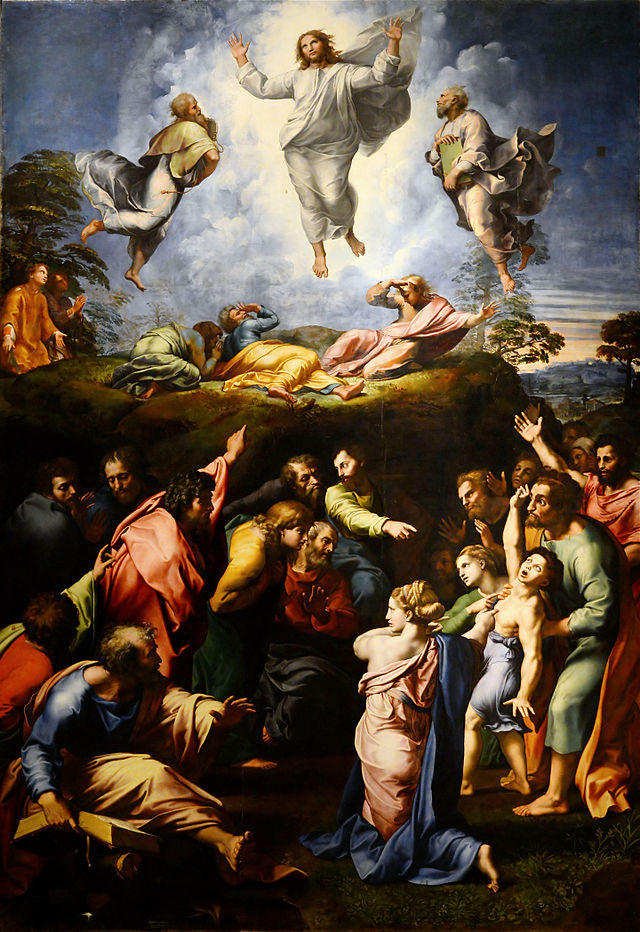
High Christology is bound to the divine nature — both to the nature of Christ and to the essential substance of true discipleship: faith. In it the transcendent takes precedence over the natural world, for in a singular way the spiritual dimension disclosed itself in materiality through Christ incarnate.
The Gospel according to the apostle John presses this point, presenting the Son of God as God Himself made flesh:
“In the beginning was the Word, and the Word was with God, and the Word was God. He was in the beginning with God. All things were made through him, and without him was not any thing made that was made” (John 1:1–3).
This theme was the object of intense reflection throughout the history of the Church, and inevitably it also gave rise to heresies, whose misunderstandings produced errors and, in turn, false doctrines. Among the gravest was Ebionism, which held that Jesus was not divine but merely human.
The opposite extreme was represented by the Gnostic currents. Under strong Neoplatonic influence, the Gnostics overstated the spirituality of Christ and denied His bodily nature. Other heretical movements followed, among them Arianism and Docetism, along with figures such as Apollinarius and Nestorius.
One must therefore hold fast to what the Holy Scriptures say. This is not a matter that human reason can fully grasp; it is an act of faith. Jesus is the Son of God, sent according to the eternal plan of redemption to save humanity through His death on the cross. To fulfill that mission He willingly emptied Himself of His heavenly privileges and, taking the form of a servant, became a man like any other. In the end He conquered death and is seated at the right hand of the Father, for He is God.