Relationships between Retribution Theology and Prosperity Theology in Brazilian Pentecostal Religion

The Prosperity Theology has represented a threat to the Brazilian Pentecostal movement. With a harmful bias, this theology—stemming from Retribution Theology—has contributed to the distortion of true spirituality and the intrinsic values of classical Pentecostalism.
The proposal presented by the Theology of Retribution is based on a cause-and-effect relationship, according to which all retribution occurs only in this life. Furthermore, this view has distorted the true essence of Pentecostalism, which has a markedly eschatological character, leading the believer to a life of holiness and separation from the world, with a view to eternal reward in the life to come.
Moreover, a paradigm of fragile and immature spirituality has crystallized, driven by the logic of bargaining. From this theological perspective, the modus operandi revolves around exacerbated materialism, in which the “faithful” contribute more and more so that their possessions multiply, generating a vicious cycle that leads to greed and avarice.
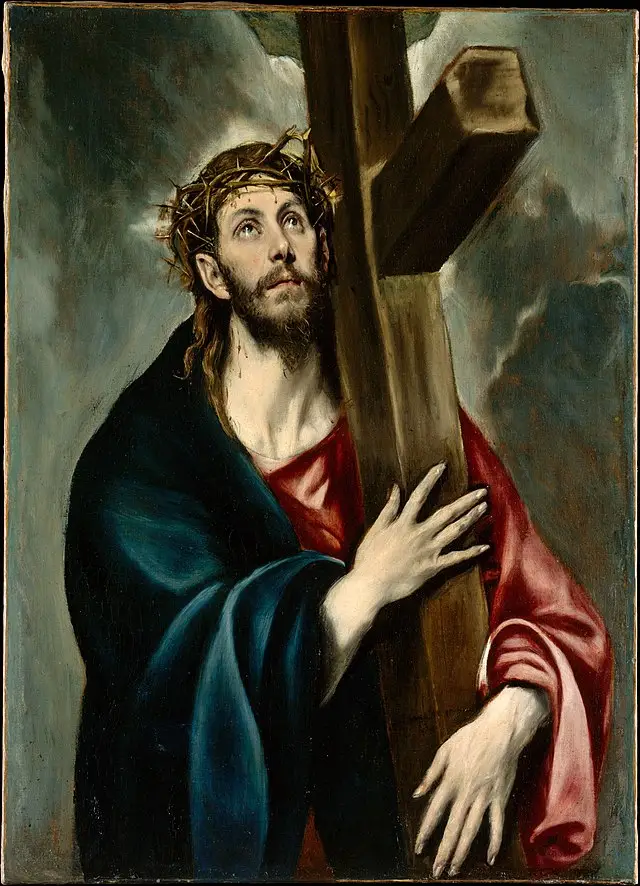
Thus, it becomes clear that the gospel is reduced to growth in this world and that God’s blessing is measured according to the individual’s prosperity; otherwise, poverty is interpreted as God’s absence. The cross of Christ is reduced to “cheap grace,” as theologian Dietrich Bonhoeffer called it; the essence of the gospel is adulterated, and the Christian mission of supporting the less fortunate is replaced by the pursuit of supremacy and power.
The branch that emerges from this doctrinal deviation is called Neo-Pentecostalism. This strand, with strong North American influence, has infiltrated the Brazilian Pentecostal milieu and grown at an alarming rate. With an emphasis on the “here and now” and the accumulation of possessions, it has little in common with classical Pentecostalism except the name—the latter places all its hope in eternity. The Bible does not condemn wealth, but rather the love of it:
“For the love of money is a root of all kinds of evils. It is through this craving that some have wandered away from the faith and pierced themselves with many pangs” (1 Tim 6:10).
Thus, prosperity should be used for the advancement of God’s Kingdom, like a reservoir whose waters never remain stagnant, avoiding accumulation in one place alone.
In short, the sacrifice of Christ is the most precious gift humanity can receive; through His blood, sins are forgiven and lives are saved. God’s grace is far too rich to be cheapened, as has occurred in the Brazilian Neo-Pentecostal milieu. Therefore, the greatest treasure is not in this world, for wherever the human heart is, there will be its treasure. The reward that the believer in Jesus should strive for is the eternal crown, which represents true prosperity.